Skip to content
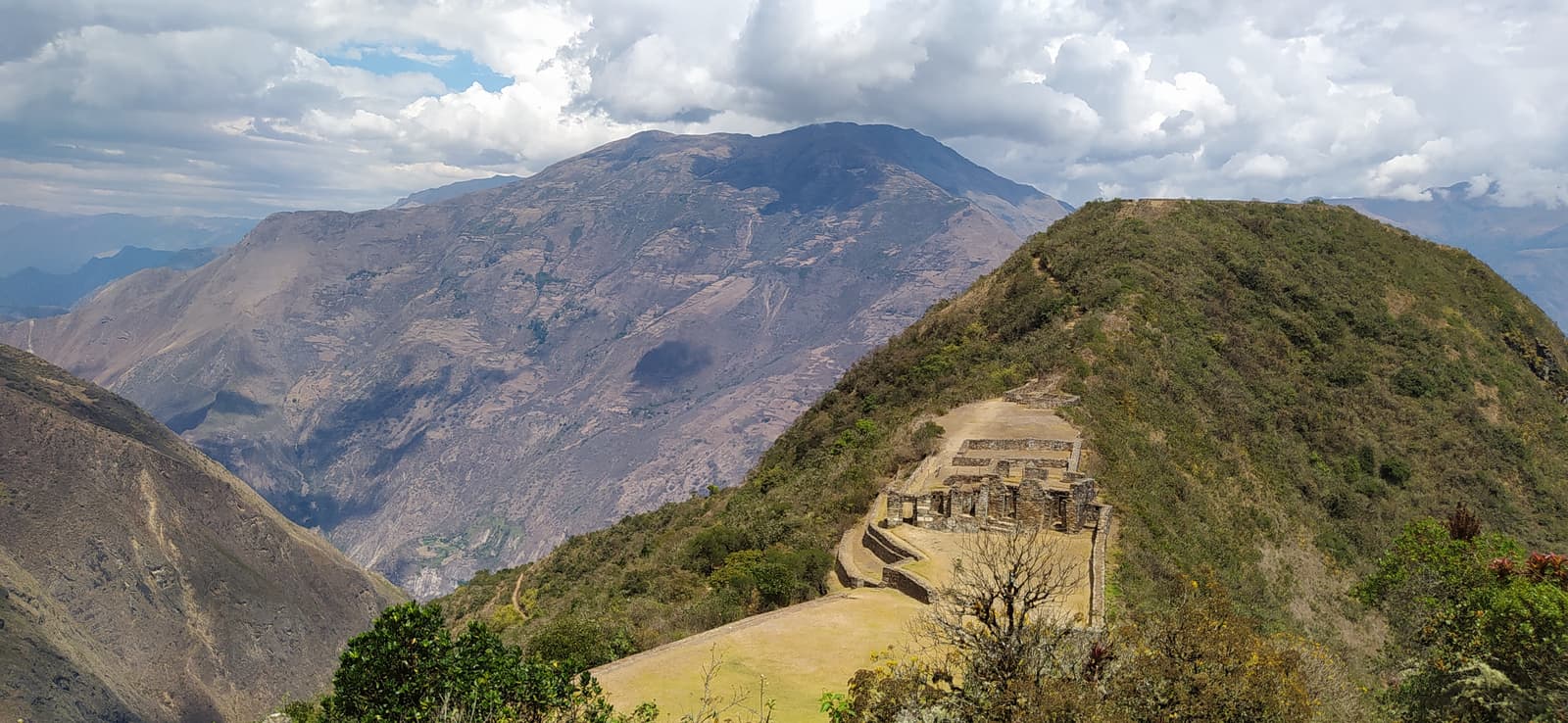
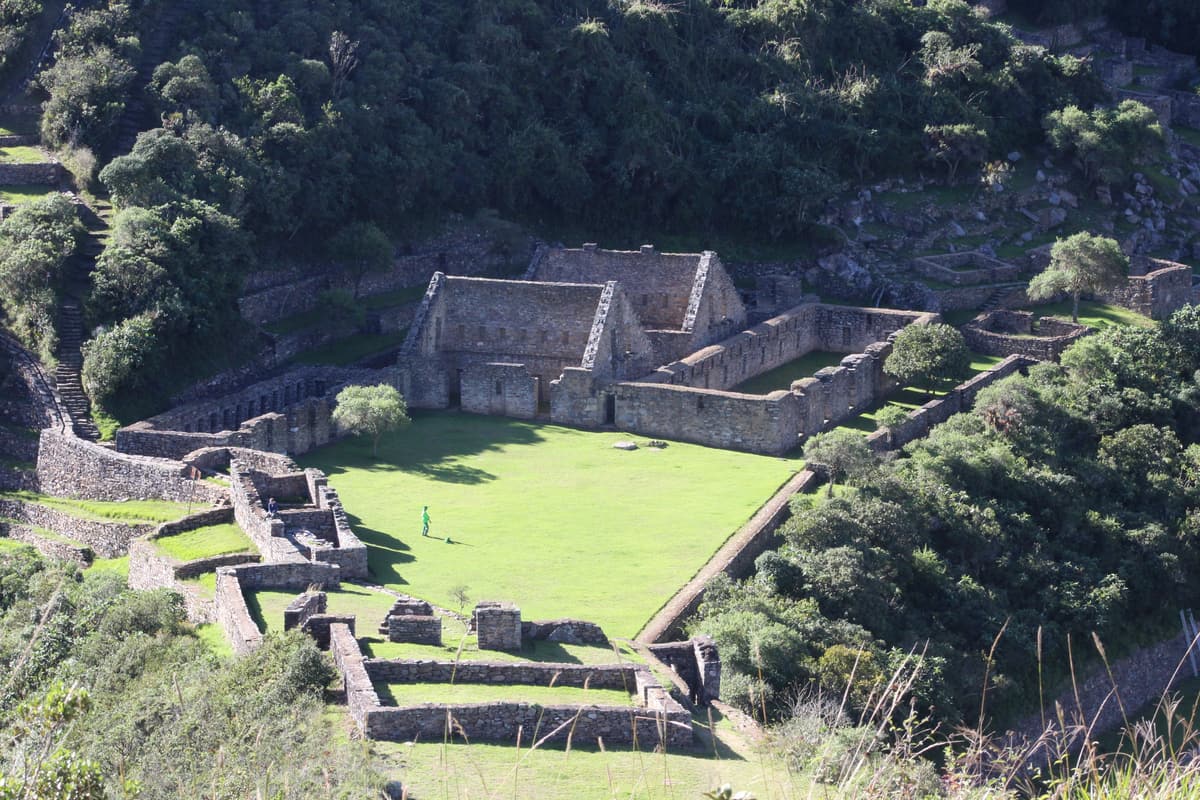
The terraces and buildings of Choquequirao on a ridge high above the Apurímac canyon
Your independent Choquequirao guide

The Inca city you have to earn

No train, no bus, no crowds — just a two-day walk across the Apurímac canyon to the ruins Machu Picchu used to be. Honest trek advice, hand-picked tours and everything you need to plan it.

⭐ Top-rated treks & tours✔ Free cancellation on most tours⚡ Instant confirmation
Why go to Choquequirao?

Machu Picchu’s sister, without the queue

Choquequirao — “cradle of gold” in Quechua — is a late-Inca city spread over a ridge at around 3,050 m, fifteen hundred metres above the roaring Apurímac river. It rivals Machu Picchu in size, is only partly excavated, and can be reached only on foot: roughly 30 km each way from the trailhead at Capuliyoc, with a descent into the canyon and a brutal climb out the other side.

That walk is the point. It keeps visitor numbers to a few thousand a year — on many days you share the plazas, the ceremonial platform and the famous llama terraces with a handful of people and a condor. This guide covers the classic 4–5 day trek from Cachora, the 8–9 day route on to Machu Picchu, the tours worth booking in Cusco and exactly how hard it really is.

3,050 maltitude of the main plaza
≈30 kmon foot each way
4–5 daysfor the classic trek
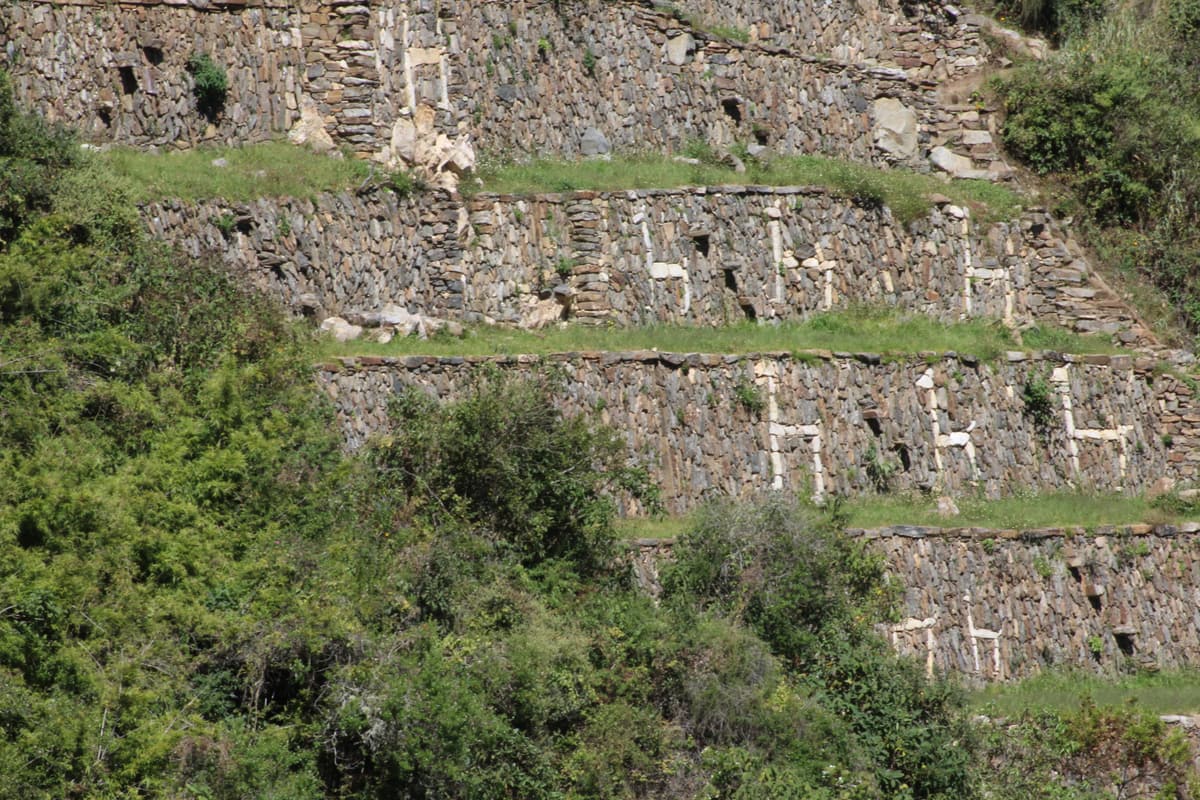
White-stone llama figures set into the terraces of Choquequirao
Traveller favourites

The best Choquequirao treks & Cusco tours

Choquequirao treks plus the Cusco classics that pair with them — Machu Picchu, Salkantay, Humantay Lake — booked through GetYourGuide. Prices are indicative starting points; tap any tour for live availability.

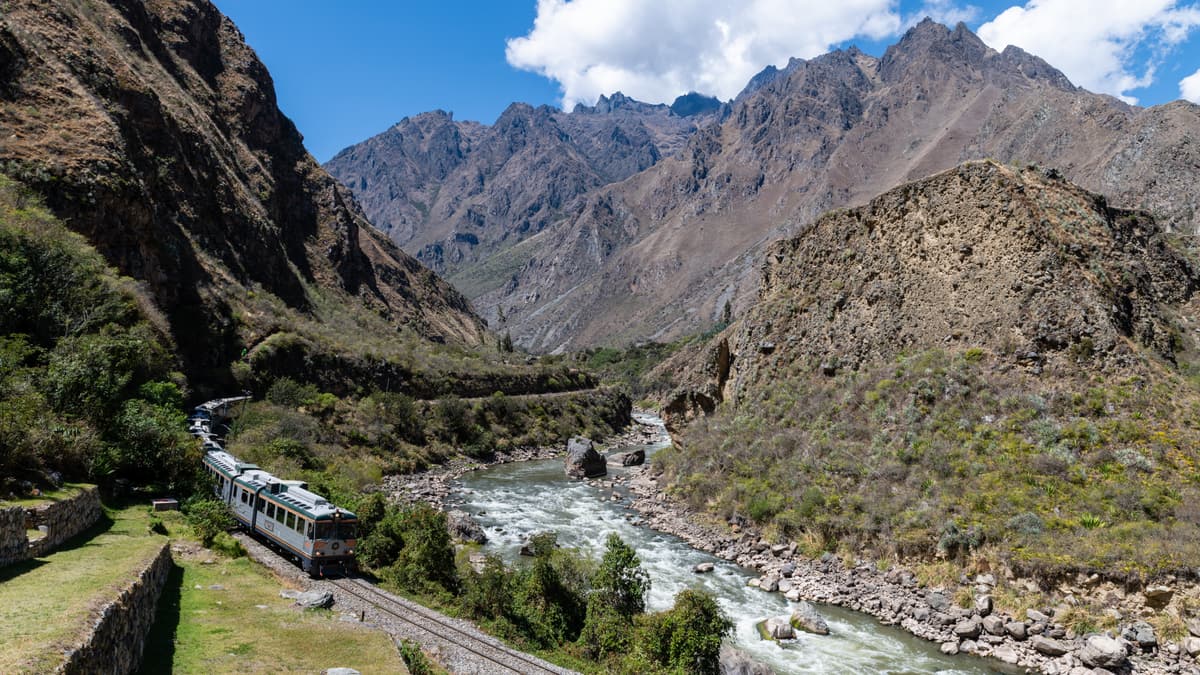
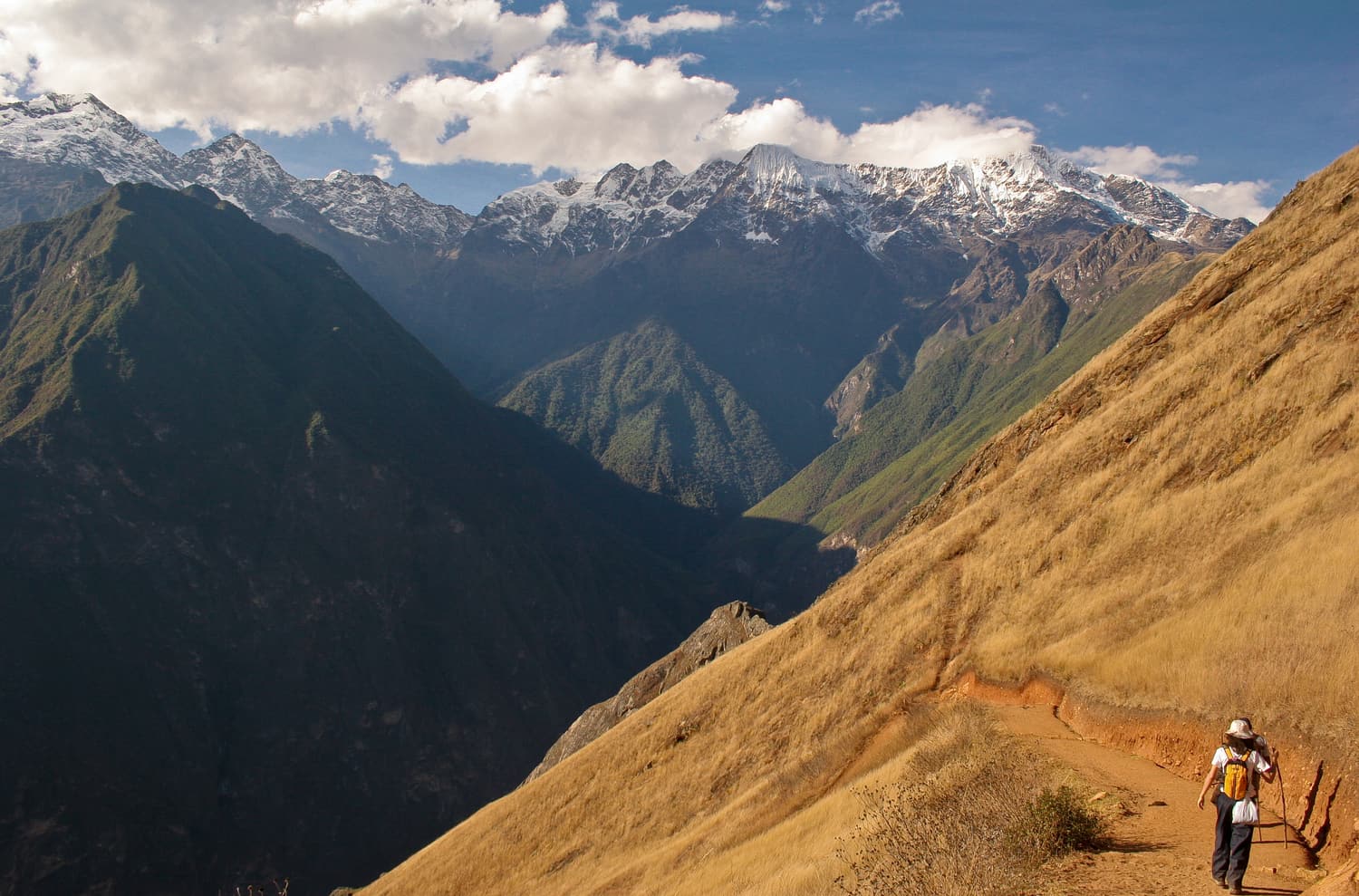
The trail to Choquequirao on the side of the Apurímac canyon Trek from US$366
🕒 4 days 📍 From Cusco ⭐ 4.5 (5)

Trek to Choquequirao 4 Days

The classic out-and-back trek from Capuliyoc: down into the Apurímac canyon on day one, the big climb to Choquequirao on day two, the ruins on day three and the climb out on day four. A GetYourGuide “Top pick” with one of the lowest starting prices for a full-service trek.

  • Transport from Cusco to Cachora and back
  • Guide, cook, pack mules and camping gear
  • Guided visit of the Choquequirao ruins
Live availability

Book Choquequirao treks

Real-time prices and availability, straight from GetYourGuide. Free cancellation on most experiences.

Powered by GetYourGuide
Where to go

The ruins, the canyon and the road from Cusco

Choquequirao is the goal, but the llama terraces, the Apurímac canyon, Cachora and the Sayhuite stone make the journey — and Cusco and Machu Picchu are never far away.

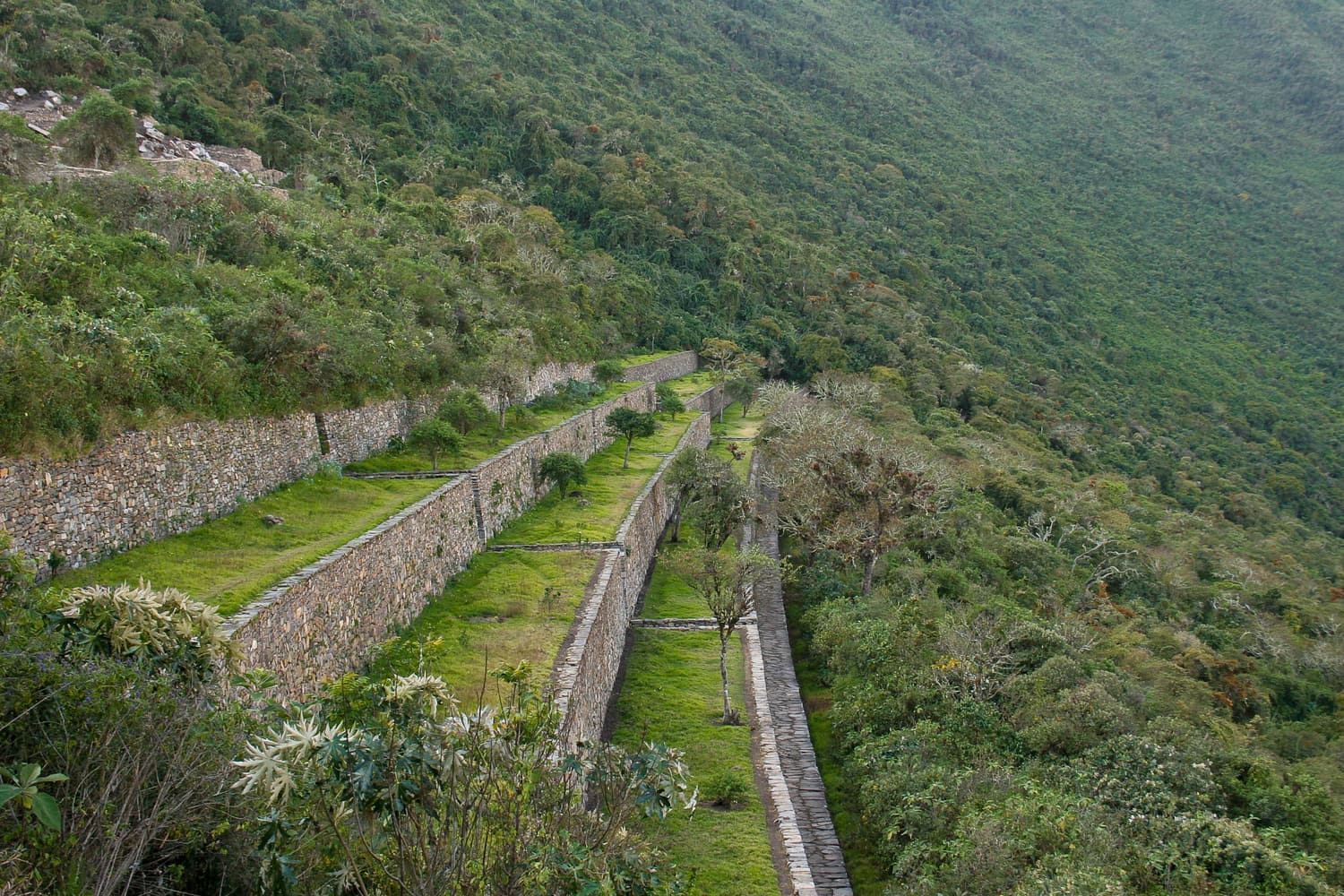
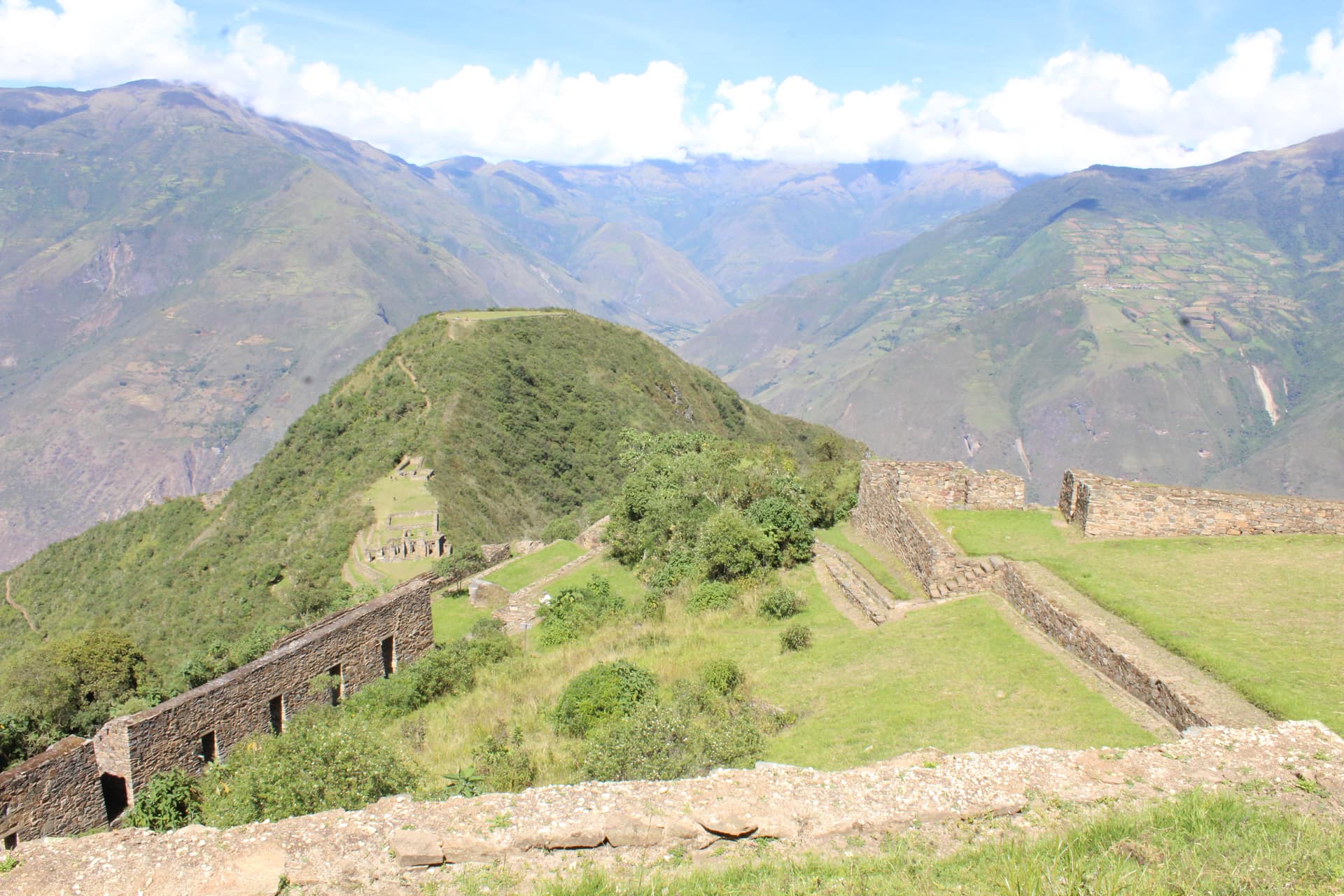
Stone buildings and terraces of Choquequirao on their mountain ridge Choquequirao archaeological park

Choquequirao

The Inca “cradle of gold”

A late-Inca royal estate and ceremonial centre spread along a ridge at about 3,050 m, 1,500 m above the Apurímac river. Plazas, fountains, a flattened ceremonial summit and terraces spilling down the mountain — and only a handful of visitors a day.

White-stone llama figures set into the terrace walls of Choquequirao Choquequirao archaeological park

The Llama Terraces

Inca art in white stone

On Choquequirao’s western flank, a flight of steep terraces is decorated with more than twenty llamas picked out in white stone against the dark walls — a mosaic unique in the Inca world, uncovered in the early 2000s.

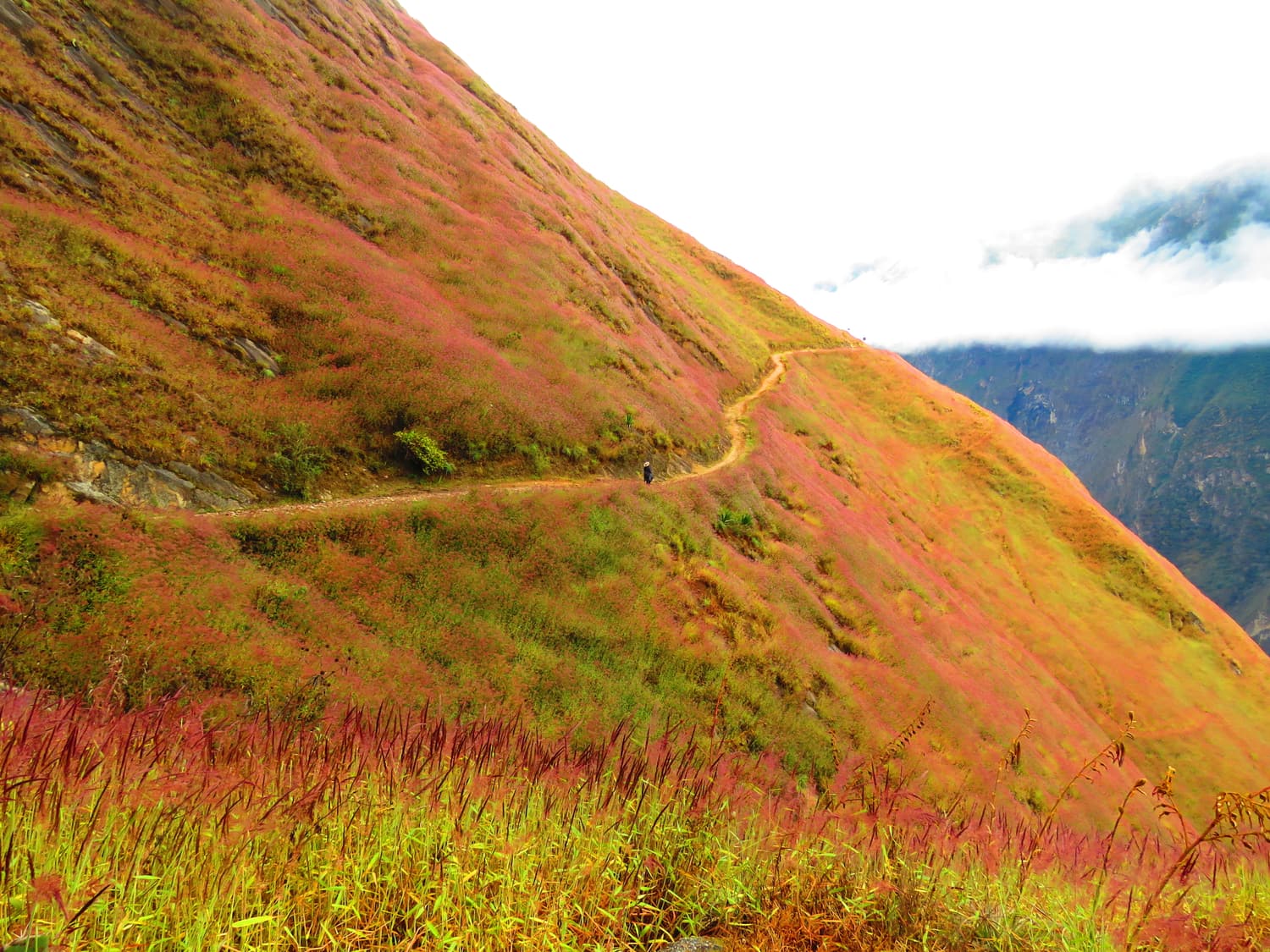
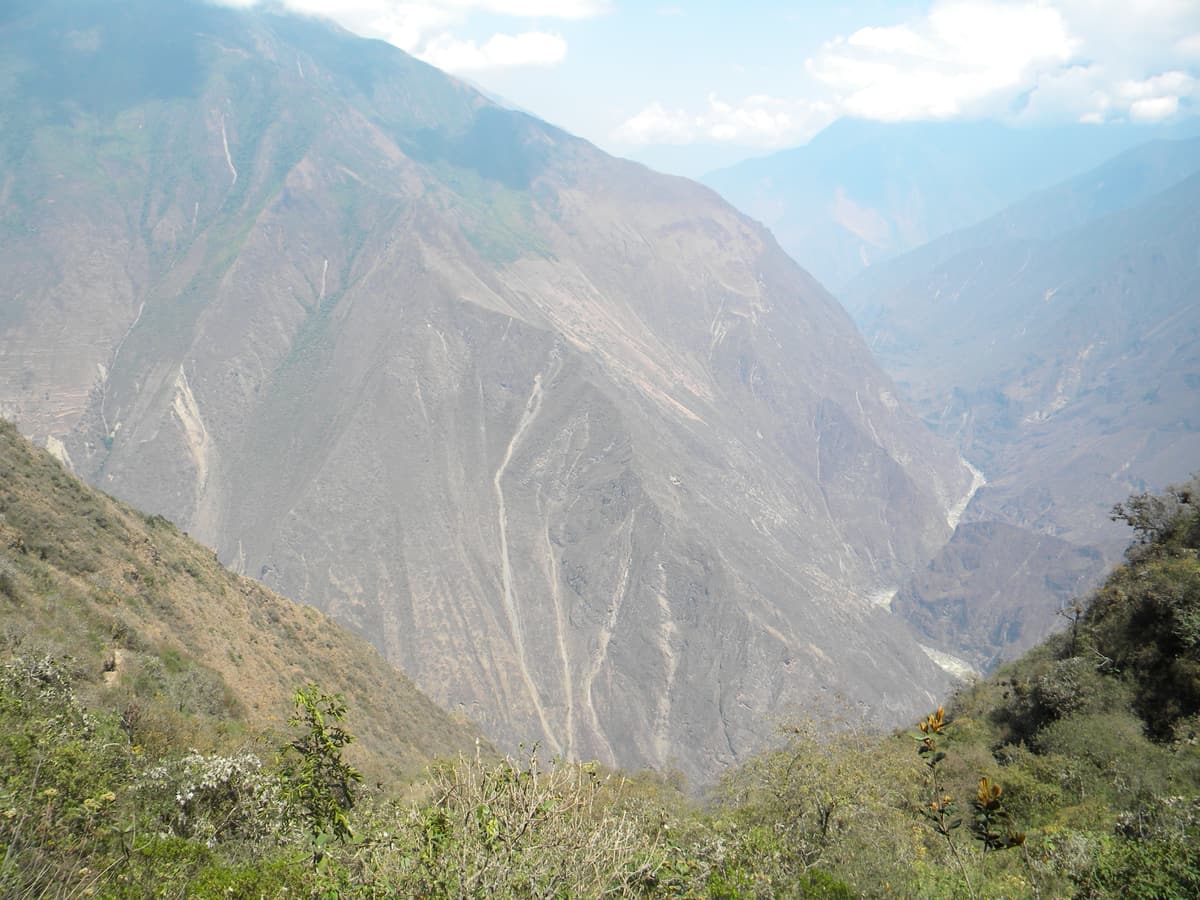
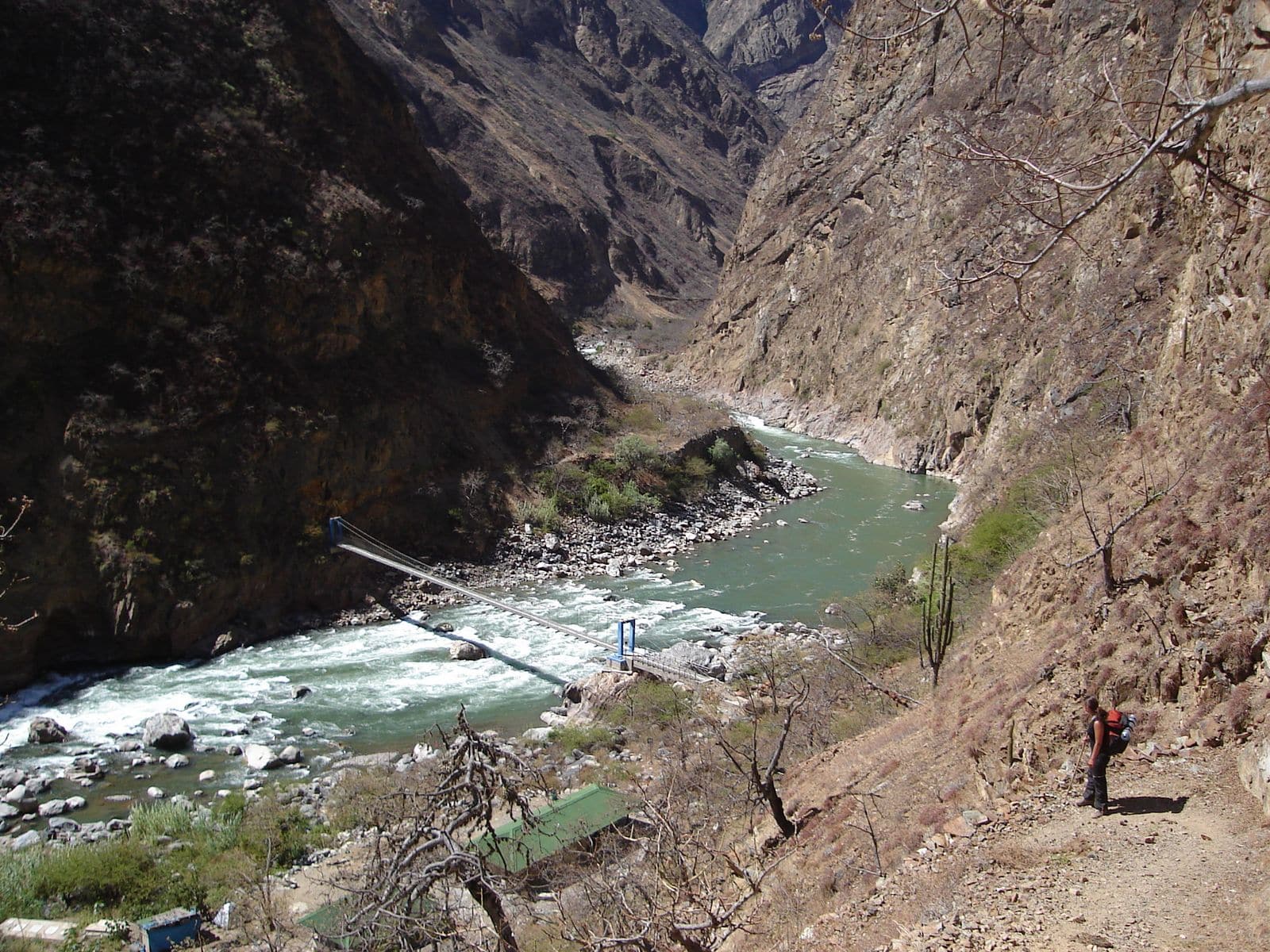
The deep Apurímac canyon seen from the trail to Choquequirao The trail & the Apurímac

Apurímac Canyon

The “great speaker” river

The trek to Choquequirao crosses one of the deepest canyons in the Americas. From the rim at Capuliyoc the trail drops some 1,400 m to the thundering Apurímac at Playa Rosalina, then climbs the far wall to the ruins.

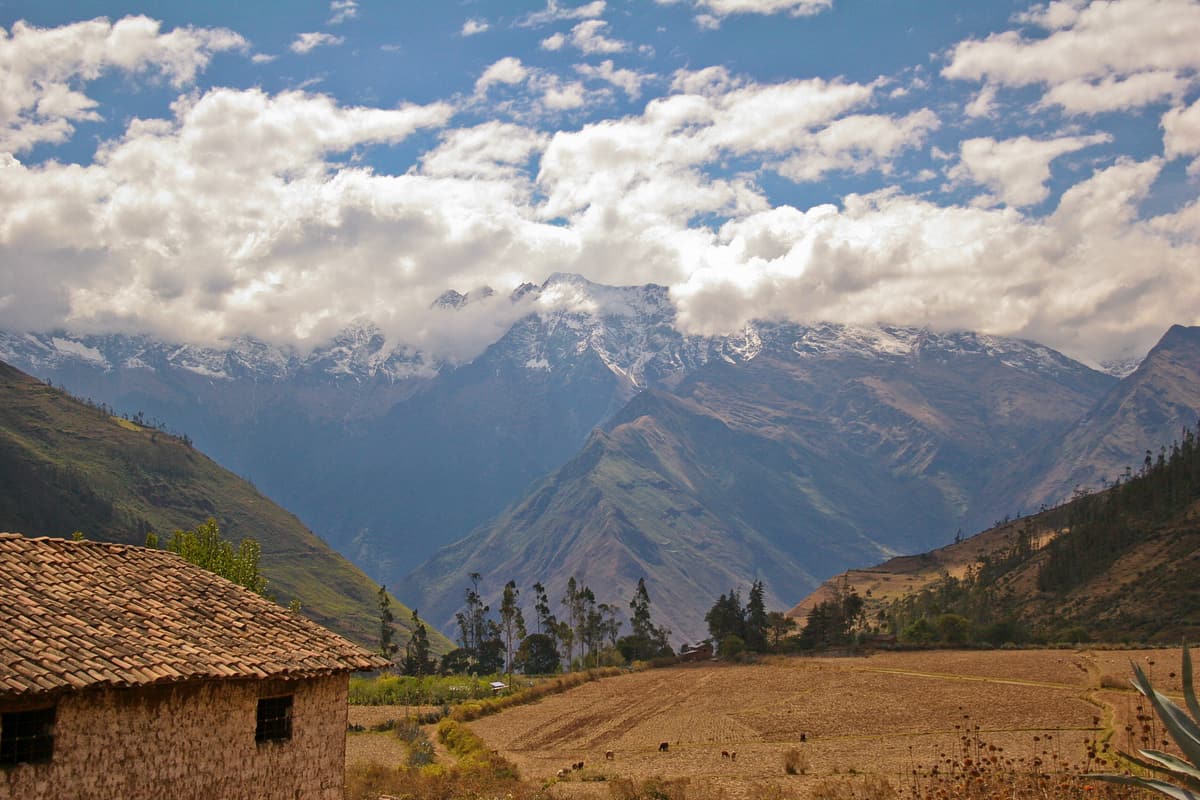
The village of Cachora in the Andes, the starting point for the Choquequirao trek The trail & the Apurímac

Cachora & Capuliyoc

The trailhead village

A quiet farming village at about 2,900 m facing the snowy Padreyoc peak, where mules are loaded and arrieros hired. Ten kilometres on, the Capuliyoc viewpoint marks the start of the trail and the first gasp-inducing view into the canyon.

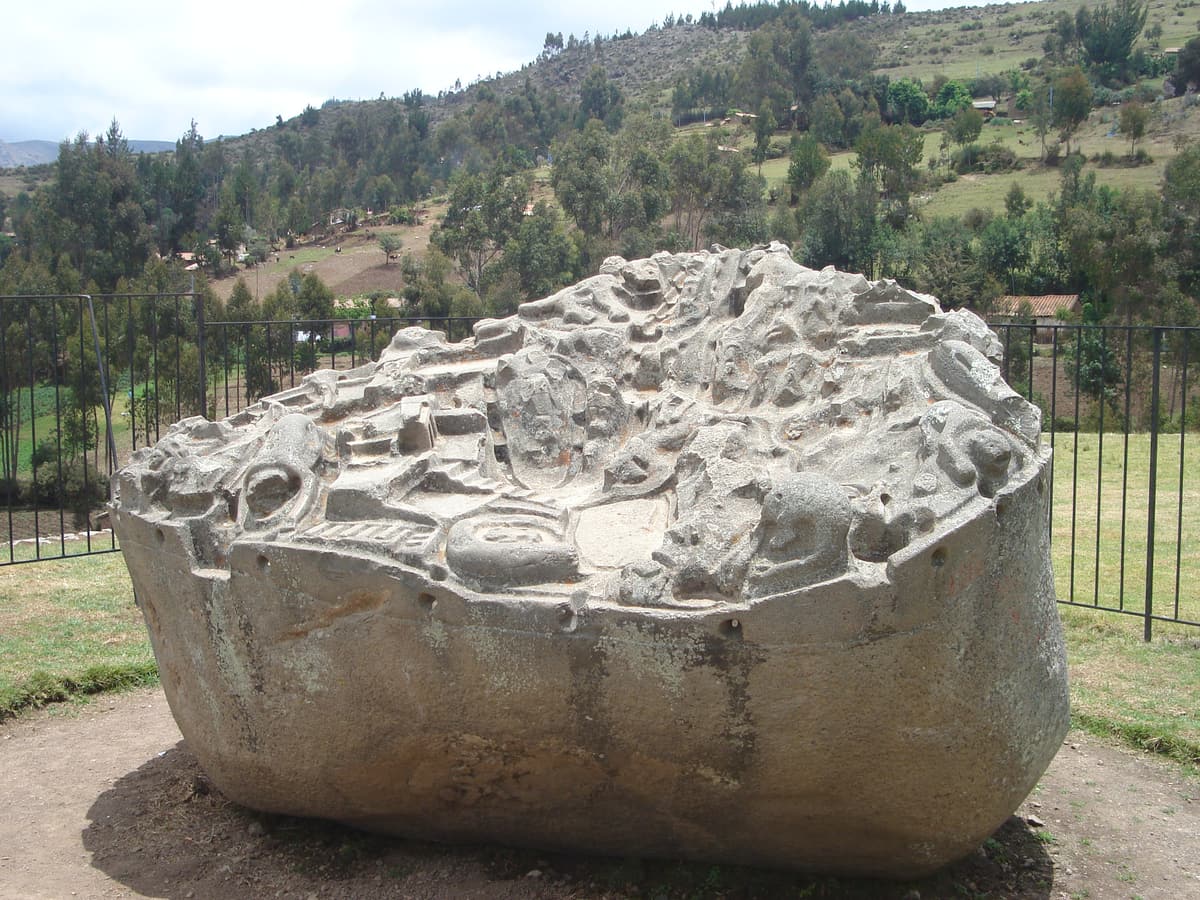
The carved Sayhuite monolith covered in miniature figures The trail & the Apurímac

Sayhuite Stone

A carved Inca landscape

Just off the Cusco–Abancay road near the Cachora turnoff, a great granite boulder is carved with a miniature world of terraces, channels, steps and animals. Probably a shrine to water, it is the perfect stop on the drive to the trailhead.

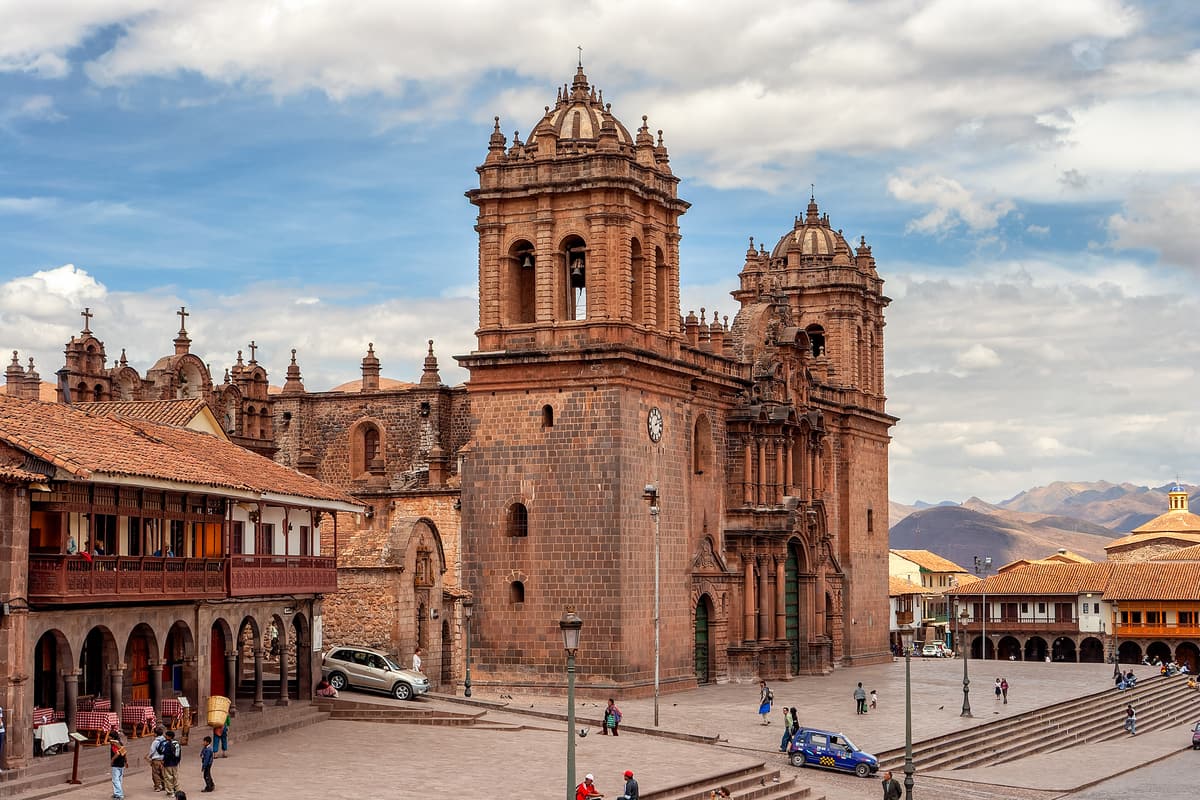
The Plaza de Armas and cathedral of Cusco Cusco & beyond

Cusco

The Inca capital and your base

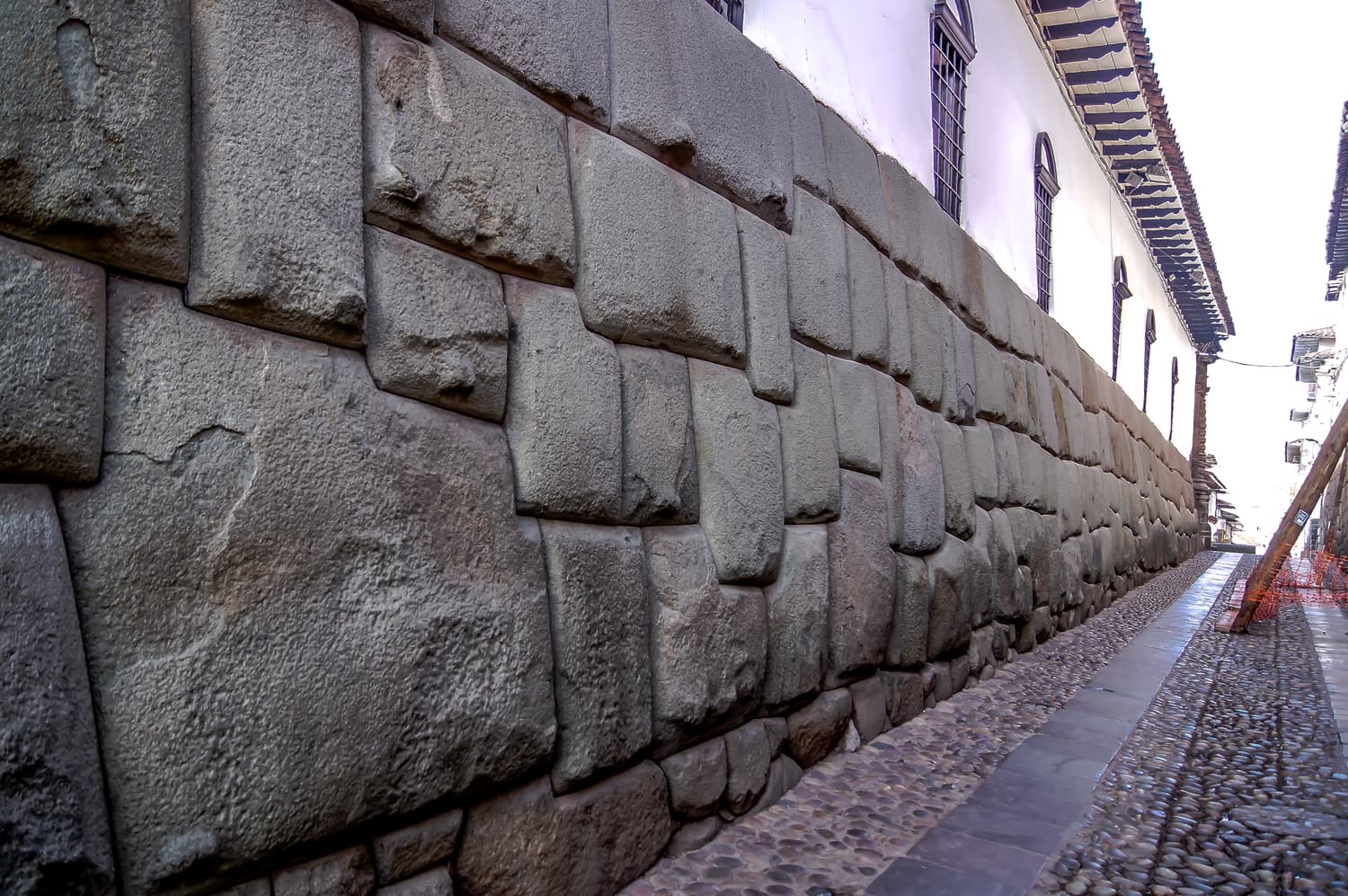
The former Inca capital, at 3,400 m, is where every Choquequirao trip begins and ends. Colonial churches on Inca walls, the Qorikancha, Sacsayhuamán above the city, and all the trek operators, gear shops and good restaurants you need.

Where to stay

Before and after the trek

Acclimatise in Cusco, sleep at the trailhead in Cachora, and come back to a hot shower — our picks, with live rates.

Monasterio, A Belmond Hotel

★★★★★
9.8 81

A 16th-century seminary around a cloister with a centuries-old cedar, two blocks from the Plaza de Armas. Historic, atmospheric and famously restful after a trek.

  • Colonial cloister and chapel
  • Oxygen-enriched rooms available
  • Two blocks from the Plaza de Armas
from US$591 / night See rates & availability

Casa Andina Premium Cusco

★★★★
9.1 113

A reliable upmarket choice in a colonial house near Limacpampa, with a good restaurant, a courtyard and consistently high guest scores.

  • Excellent guest scores
  • Courtyard and good restaurant
  • Five minutes from the Plaza
from US$192 / night See rates & availability

Tierra Viva Cusco San Blas

★★★
9.5 100

Small, warm and excellent value in the artisan quarter of San Blas, with generous breakfasts and helpful staff used to early trek departures.

  • San Blas artisan quarter
  • Great breakfast
  • Outstanding value
from US$77 / night See rates & availability
Plan your trek

Walk to the Inca city almost nobody sees

Two days across the Apurímac canyon to an Inca city as grand as Machu Picchu — and almost empty. Compare Choquequirao treks from Cusco and book in a couple of taps.

Good to know

Visiting Choquequirao: your questions answered

Frequently asked questions

Is Choquequirao worth visiting?

If you like walking, emphatically yes. You get an Inca city on the scale of Machu Picchu almost to yourself, one of the deepest canyons in the Americas and some of the finest trail scenery in the Andes. If you do not want to hike for at least four days, it is not for you. Compare the options on our best tours page.

How hard is the Choquequirao trek?

Harder than the classic Inca Trail for most people. From Capuliyoc you drop about 1,400 m to the Apurímac river and then climb about 1,500 m to the ruins — and do the same in reverse on the way out. The altitude is moderate; the relentless gradient and the canyon heat are the challenge. See the day-by-day trek guide.

How do you get to Choquequirao?

Only on foot (with a mule for your bags if you like). Most people drive about four hours from Cusco to the village of Cachora and the Capuliyoc trailhead, then walk two days to the site. Our Cusco to Choquequirao guide covers every option.

Do I need a permit or ticket for Choquequirao?

There is no advance permit system like the Inca Trail’s. You buy the entrance ticket at the control point on the trail, in cash — reported at around S/60 for foreign adults, with reductions for students, though figures vary, so check before you go. Organised treks usually include it.

Can I combine Choquequirao with Machu Picchu?

Yes — the Choquequirao to Machu Picchu trek links the two over high passes in about eight or nine days. It is one of the great long-distance walks in Peru. Short on time? Do the 4–5 day Choquequirao trek and a separate Machu Picchu day trip from Cusco.