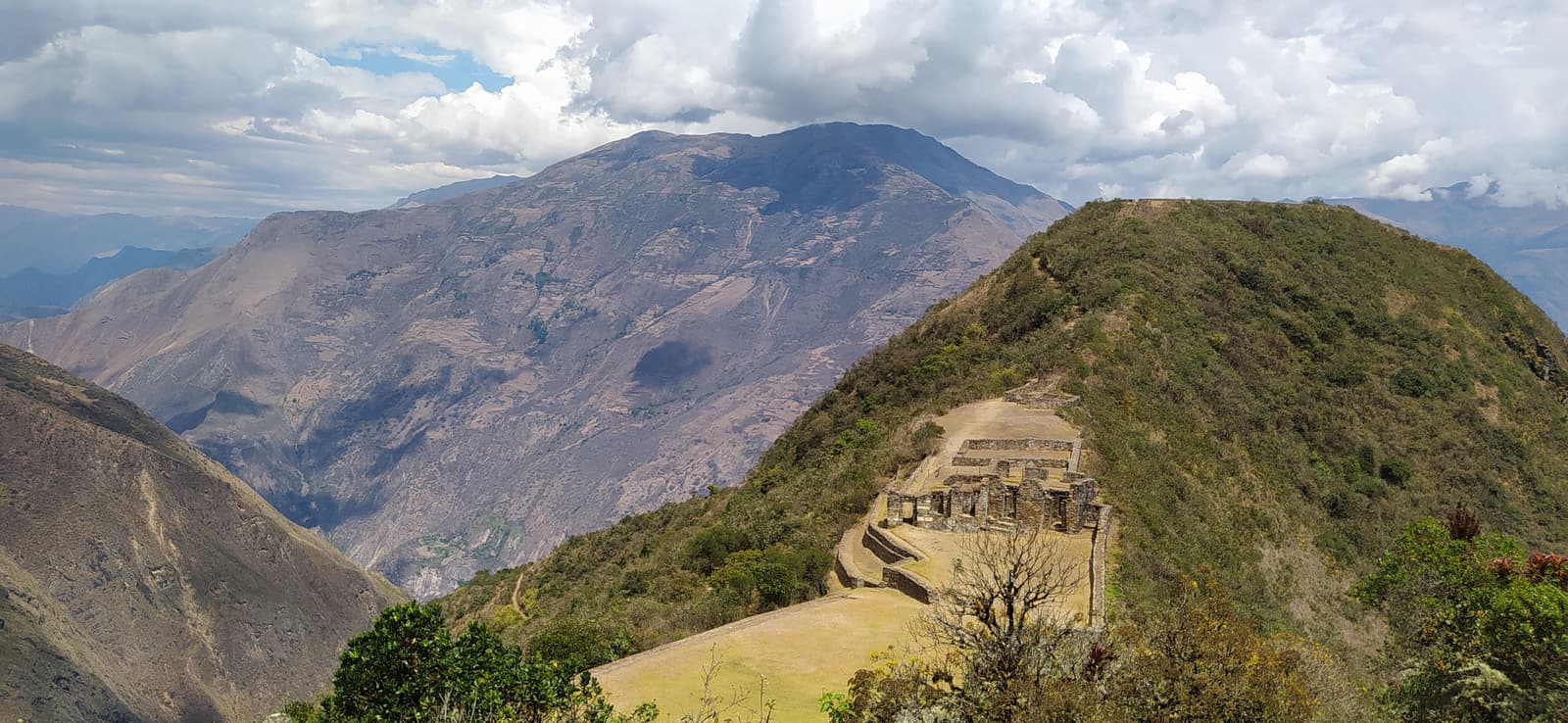
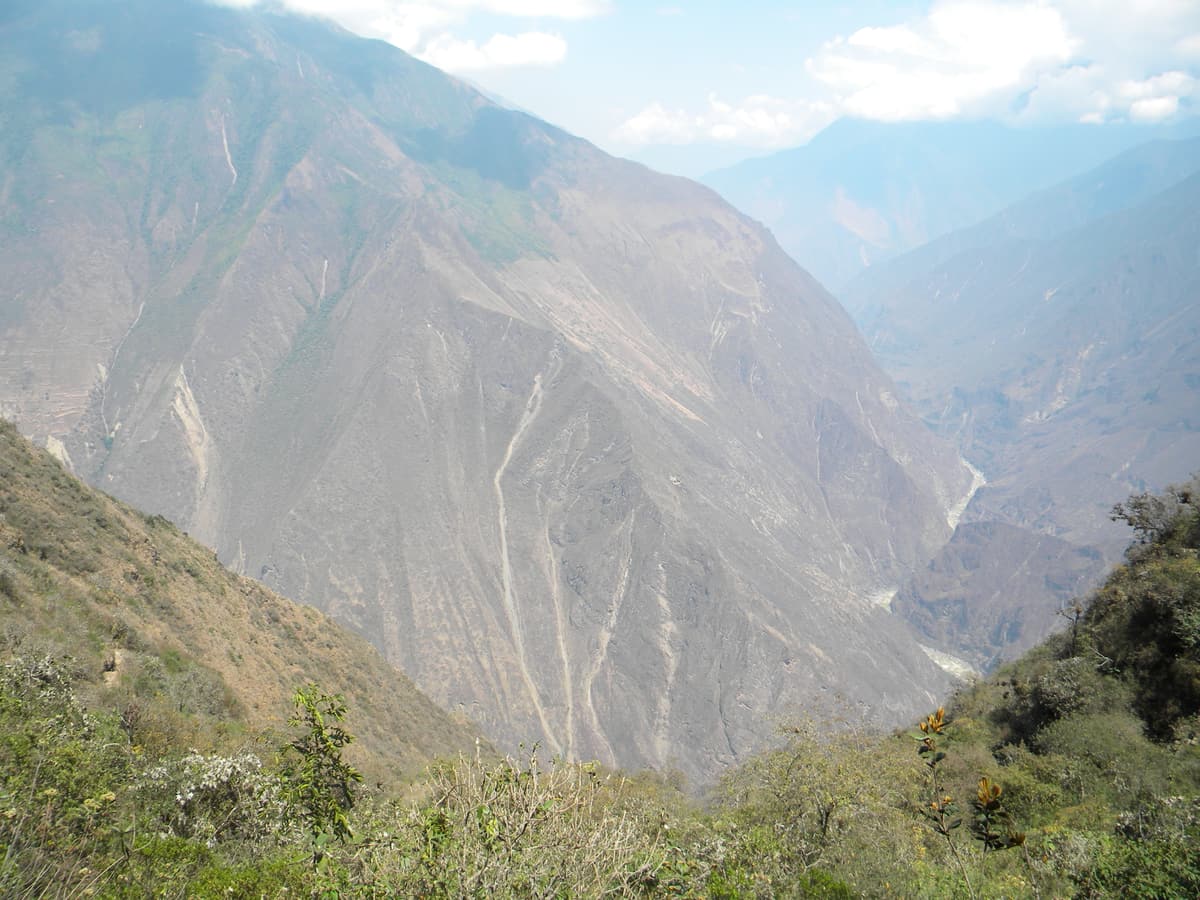
Choquequirao — usually translated from Quechua as “cradle of gold” — occupies a spur of the Salkantay massif at around 3,050 m, with the Apurímac river roaring some 1,500 m below. It was built in the late 15th century, most probably as a royal estate of the Inca Pachacútec’s dynasty, and served as a religious centre and a gateway between the Andes and the forested lowlands of Vilcabamba.
After the Spanish conquest it lay within the last free Inca state, which held out in Vilcabamba until 1572, and was then slowly swallowed by the forest. Explorers described it from the 18th century onwards and Hiram Bingham came here in 1909, two years before Machu Picchu. Restoration only began in earnest in the late 20th century, and a large part of the complex is still under vegetation — which is part of its magic.
Top things to do at Choquequirao
Walk the upper and lower plazas
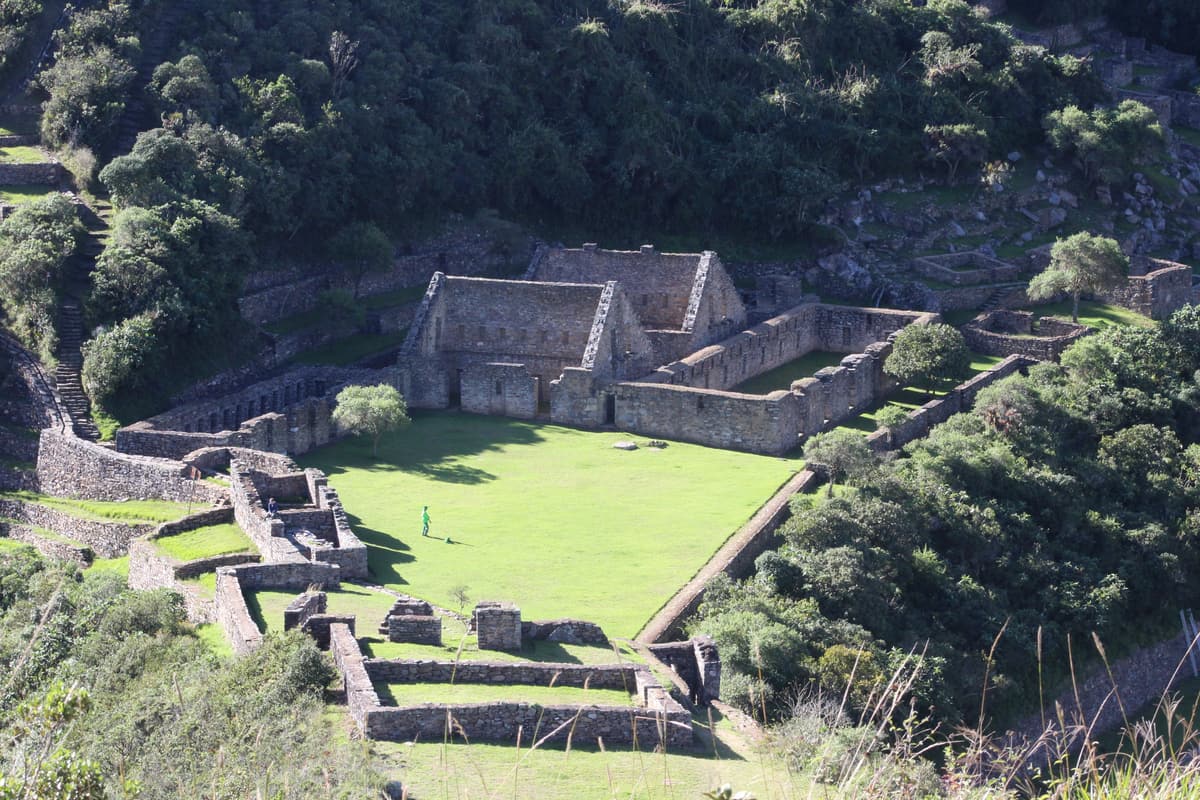
The core of Choquequirao is a sequence of plazas and buildings along the ridge — halls, residences, storehouses and a two-storey “priest’s house” — with finely built water channels and ceremonial fountains running between them. Take your time: it is the only part most four-day trekkers see properly.
Climb to the ceremonial platform
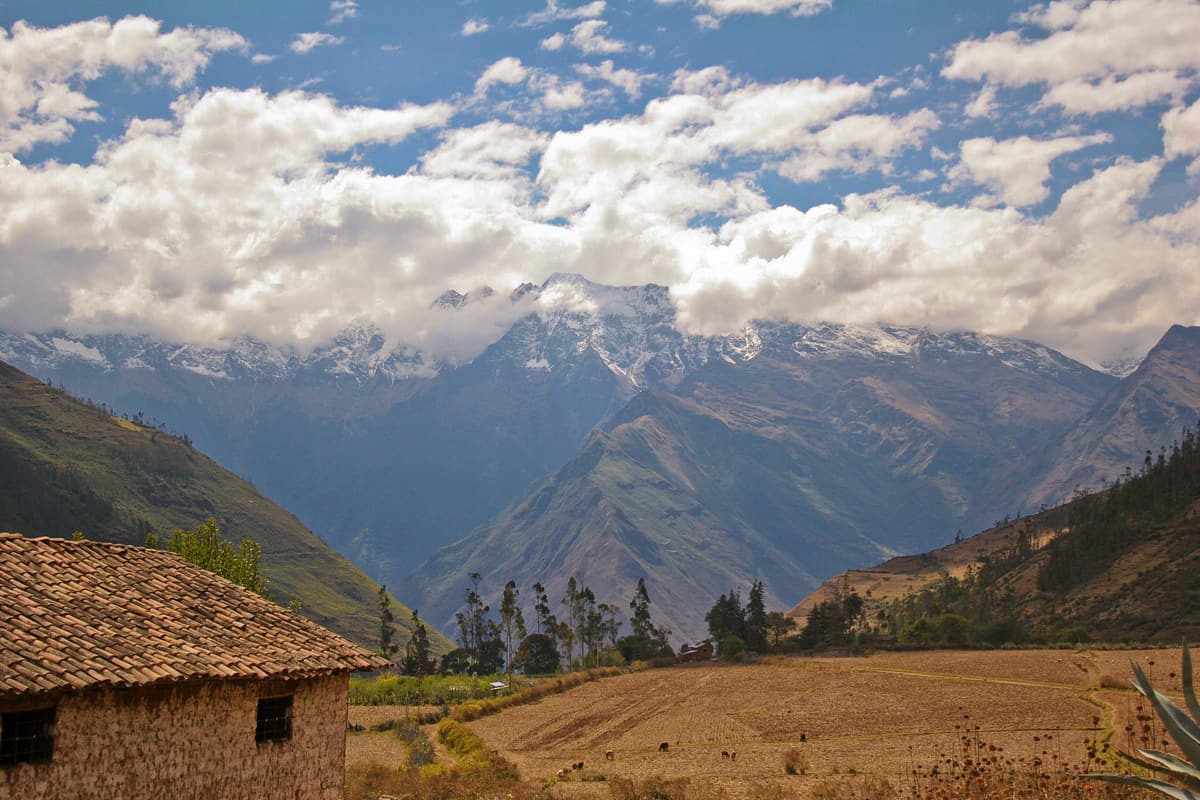
Above the main plaza a hilltop was levelled into an usnu, a ceremonial platform ringed by a stone wall. The 360° view — the Apurímac canyon, the snow peaks of the Vilcabamba range and the whole site below — is one of the finest in the Andes.
Descend to the llama terraces
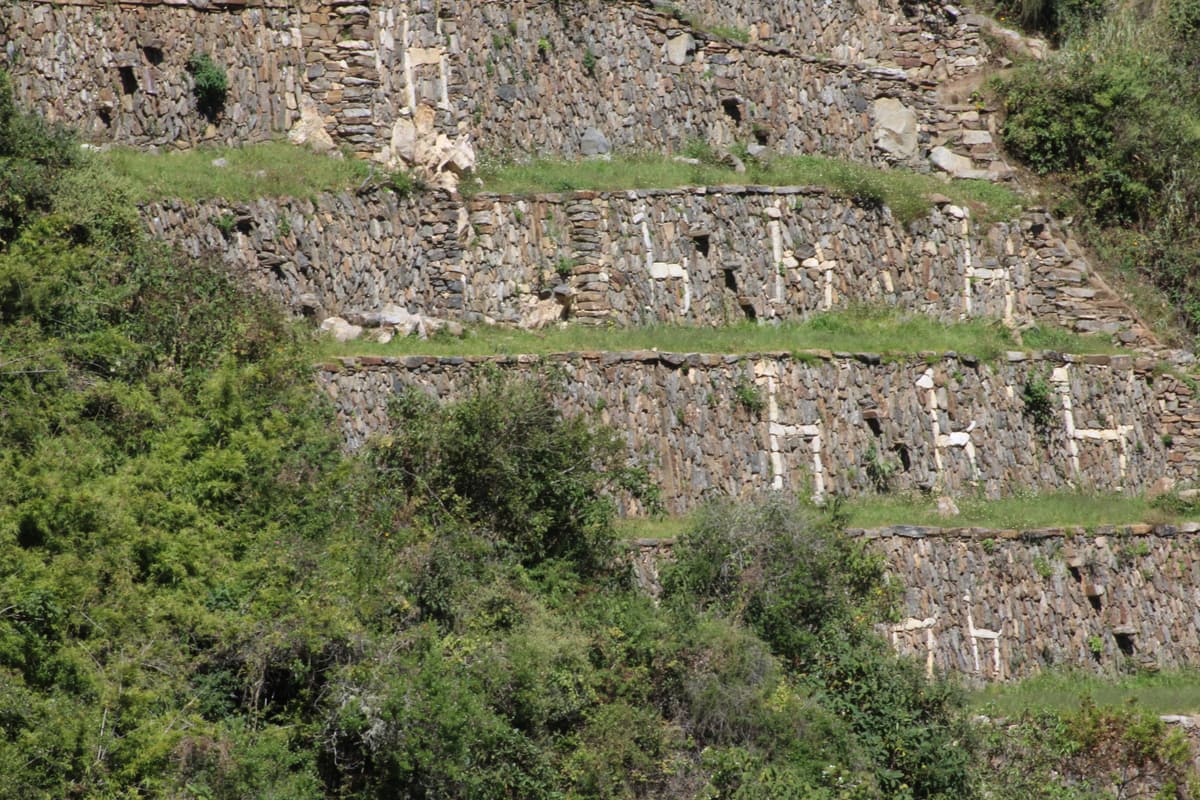
On the western slope, below the main sector, steep terraces are decorated with more than twenty llamas in white stone. It is a steep walk down and back up, so give it at least two to three hours. See our llama terraces guide.
Look for the Paraqtepata terraces and condors
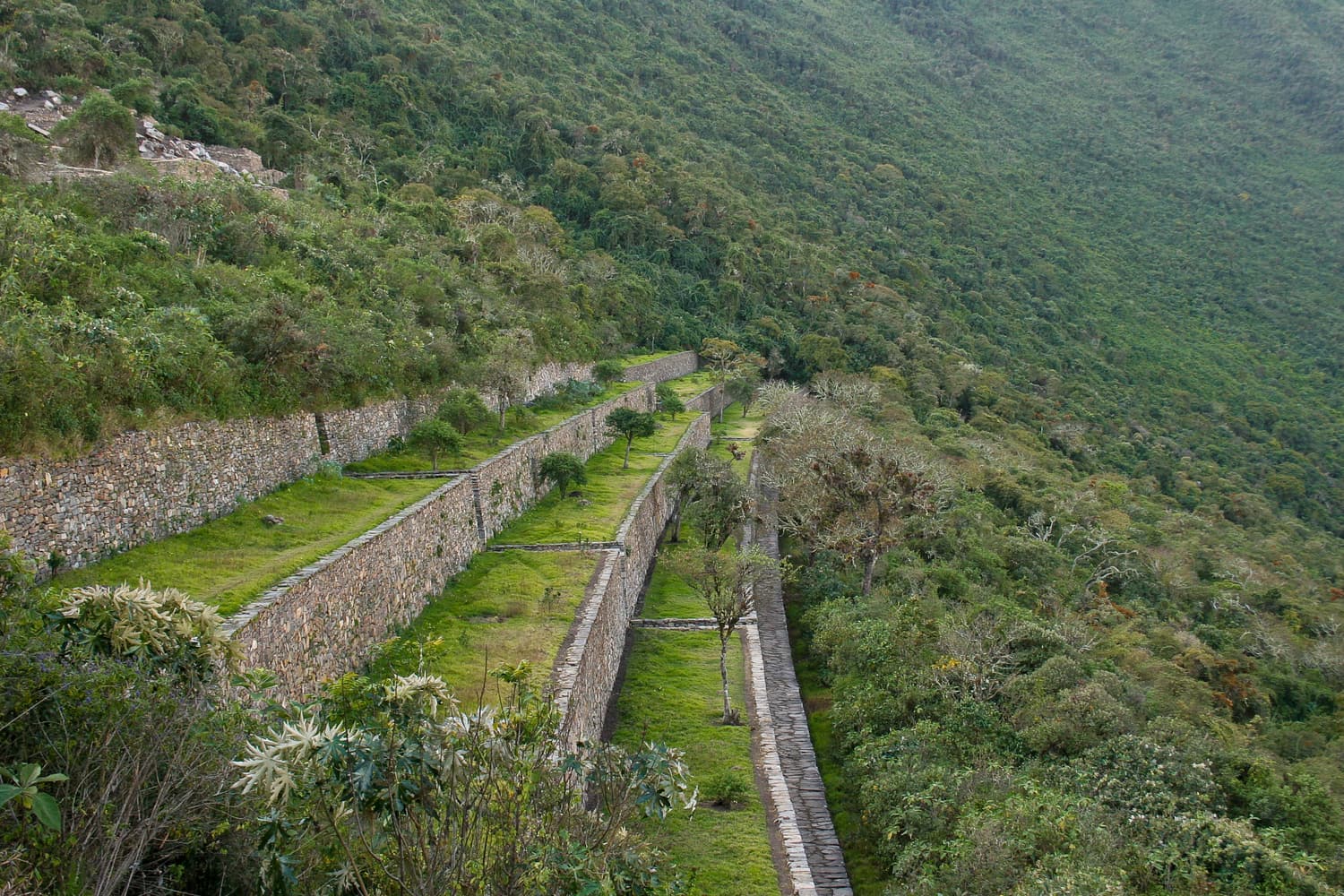
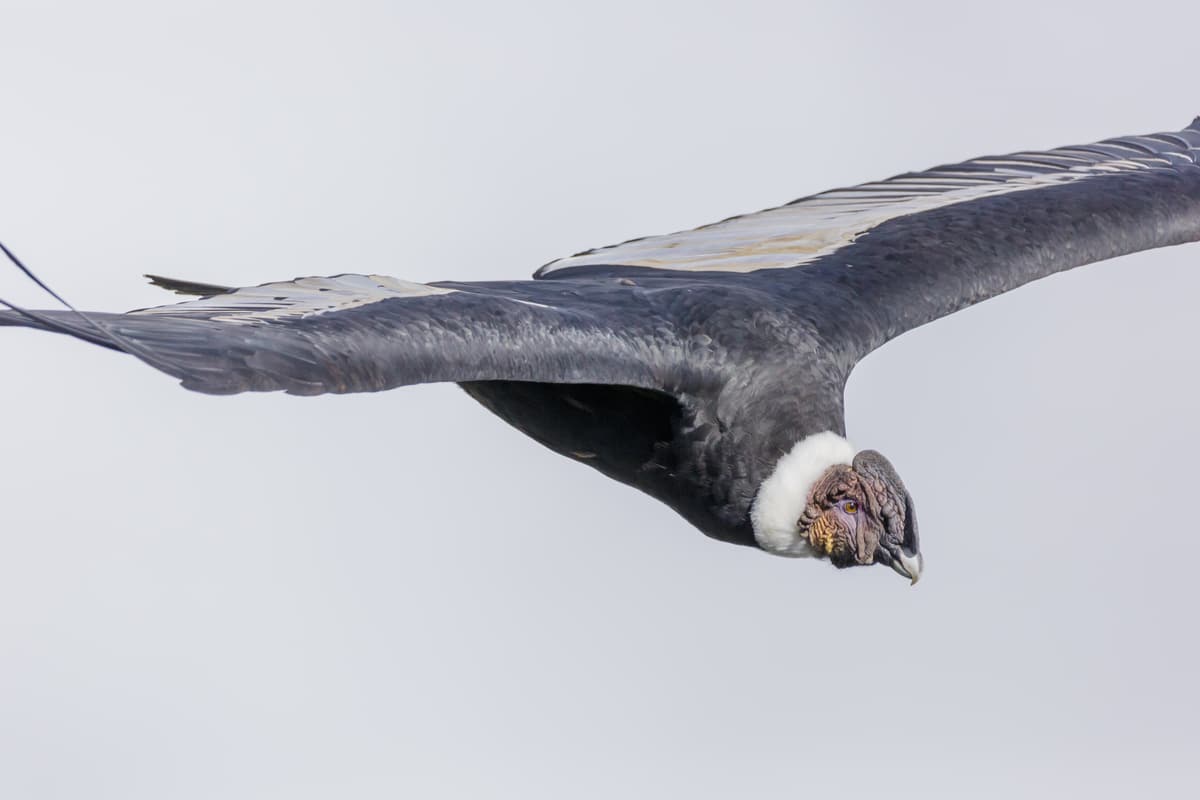
East of the core, the long, curving Paraqtepata terraces cascade down the ridge. Early in the morning, Andean condors often ride the thermals rising out of the canyon.
How to get to Choquequirao
- On foot from Capuliyoc: roughly 30 km and two days each way via Chiquisca, Playa Rosalina, Santa Rosa and Marampata. See the day-by-day trek guide.
- From Cusco to the trailhead: about four hours by road to Cachora, then 10 km to Capuliyoc. See Cusco to Choquequirao.
- On an organised trek: transport, mules, meals and usually the ticket are included — compare them on our best tours page.
Insider tips
- Give the site at least one full day. The distances inside the park are big and steep.
- Carry your entrance-ticket money in soles; there are no card machines at the control point.
- Start early: morning light is clearer, and the ceremonial platform is at its best before the clouds build.
- There is little signage and no audio guide, so a guide — or good reading beforehand — adds a lot.
Best treks & tours for Choquequirao
These top-rated experiences are the easiest way to see Choquequirao:
 Trek from US$798
 Choquequirao: 5-Day Trek to the Lost City of the Incas
The better way to do Choquequirao: five days, so that one of them is spent entirely at the site — the plazas, the ceremonial platform, the water channels and the famous terraces decorated with white-stone llamas.
- A full day to explore Choquequirao
- Time to reach the llama terraces
- Gentler daily stages than the 4-day trek
 Trek from US$366
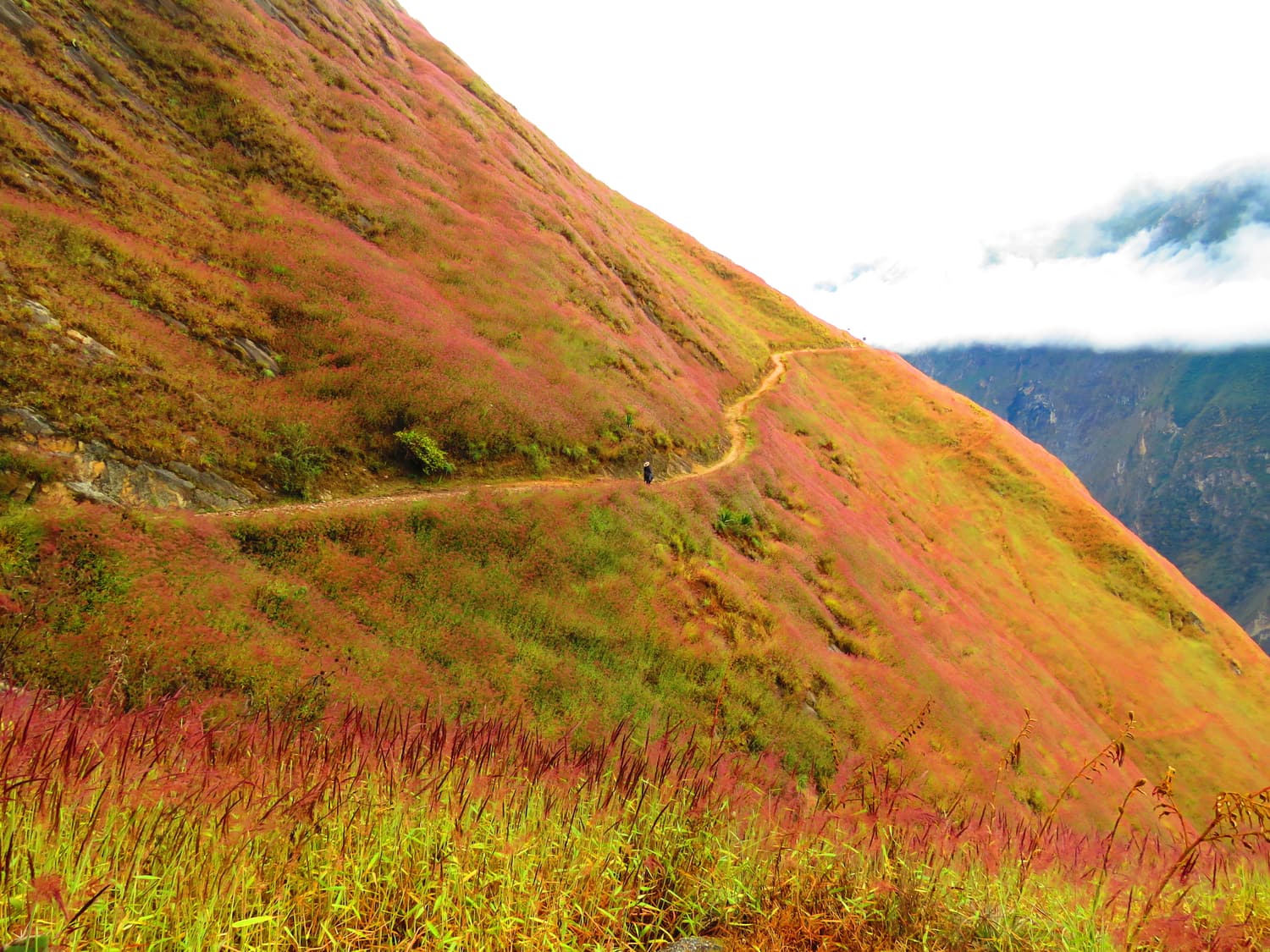
 Trek to Choquequirao 4 Days
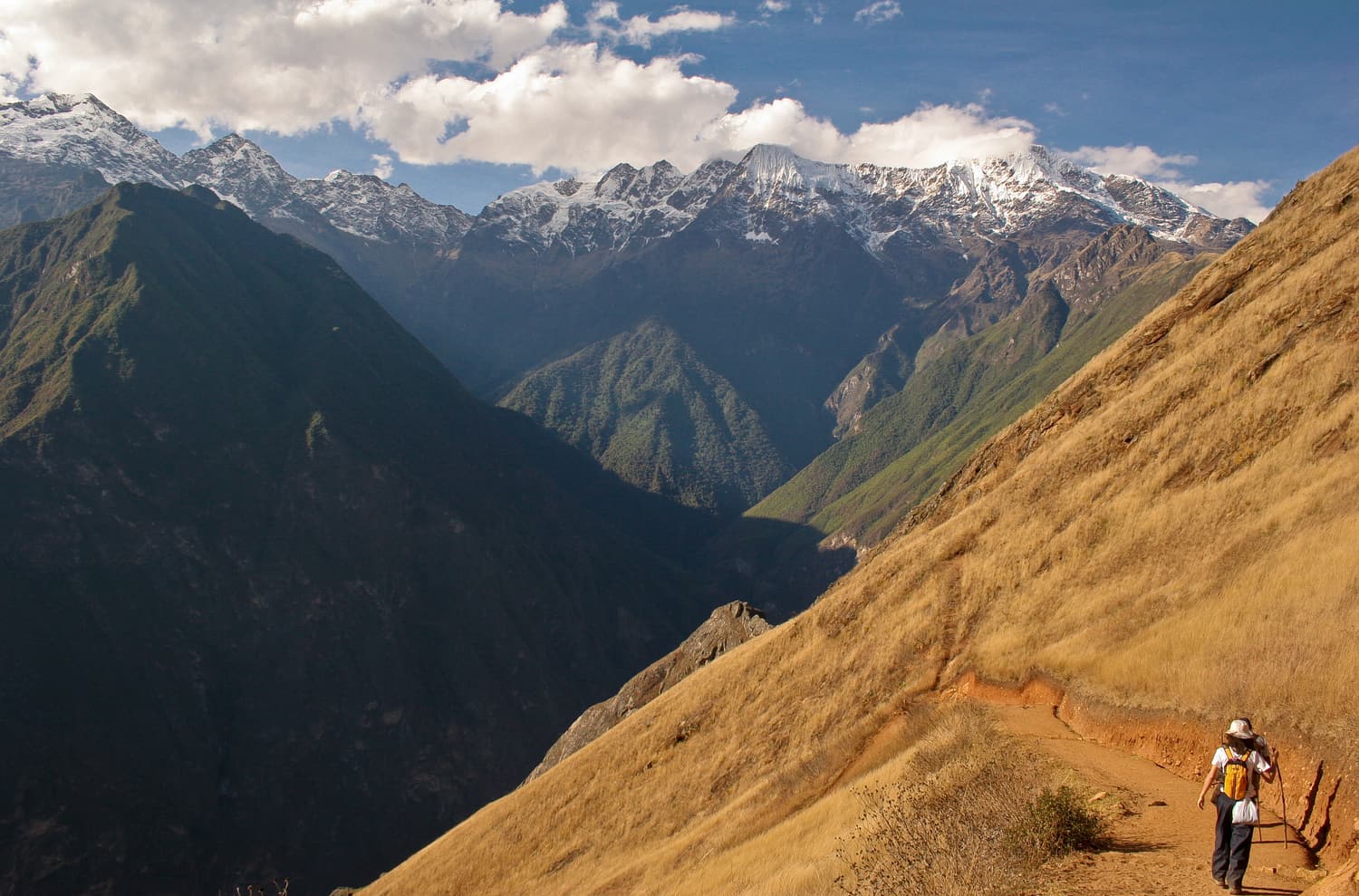
The classic out-and-back trek from Capuliyoc: down into the Apurímac canyon on day one, the big climb to Choquequirao on day two, the ruins on day three and the climb out on day four. A GetYourGuide “Top pick” with one of the lowest starting prices for a full-service trek.
- Transport from Cusco to Cachora and back
- Guide, cook, pack mules and camping gear
- Guided visit of the Choquequirao ruins
 Multi-day trek from US$1380
 Cusco: 8-Day Trek to Choquequirao and Machu Picchu
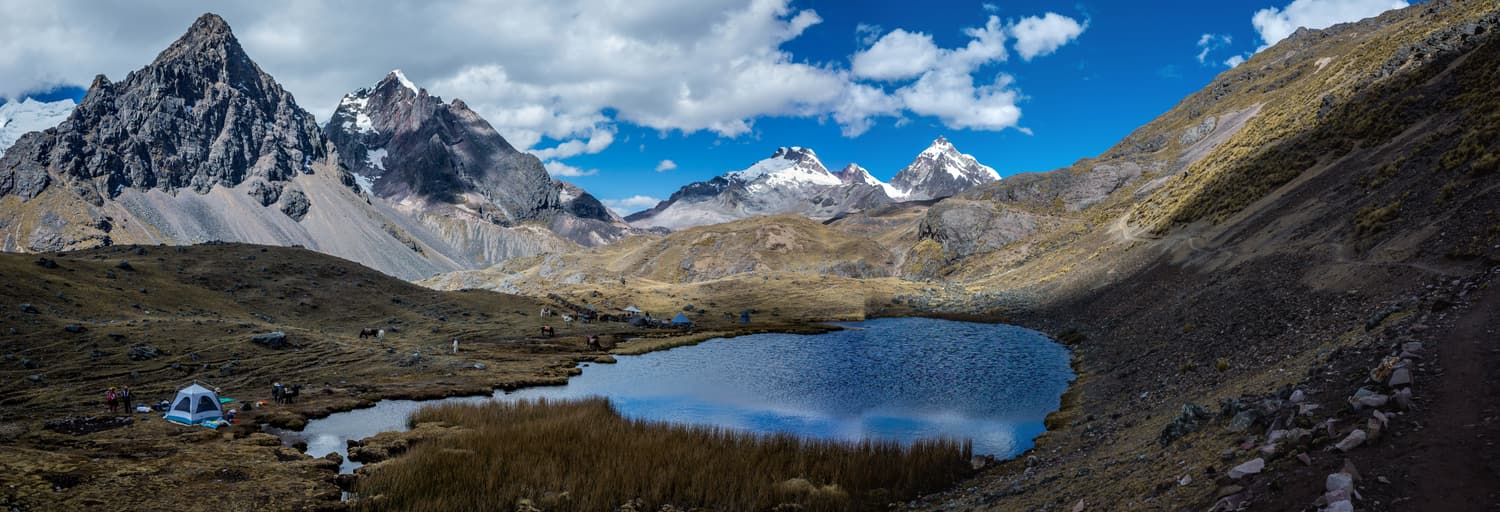
The epic traverse: from Choquequirao across the Vilcabamba range via Maizal and Yanama, over passes above 4,000 m and down through the cloud forest to Aguas Calientes and Machu Picchu. Remote, demanding and unforgettable.
- Two great Inca sites on one trek
- High passes, old mines and cloud forest
- Finishes at Machu Picchu
 Trek from US$430
 Choquequirao: The Enigmatic Lost Inca City — 5 Days with Cabins
A five-day itinerary priced like most four-day treks, with cabins instead of tents on some nights. A comfortable way to take the slower, more rewarding pace at Choquequirao.
- Five days for roughly the price of four
- Cabin nights on part of the route
- Extra time at the ruins