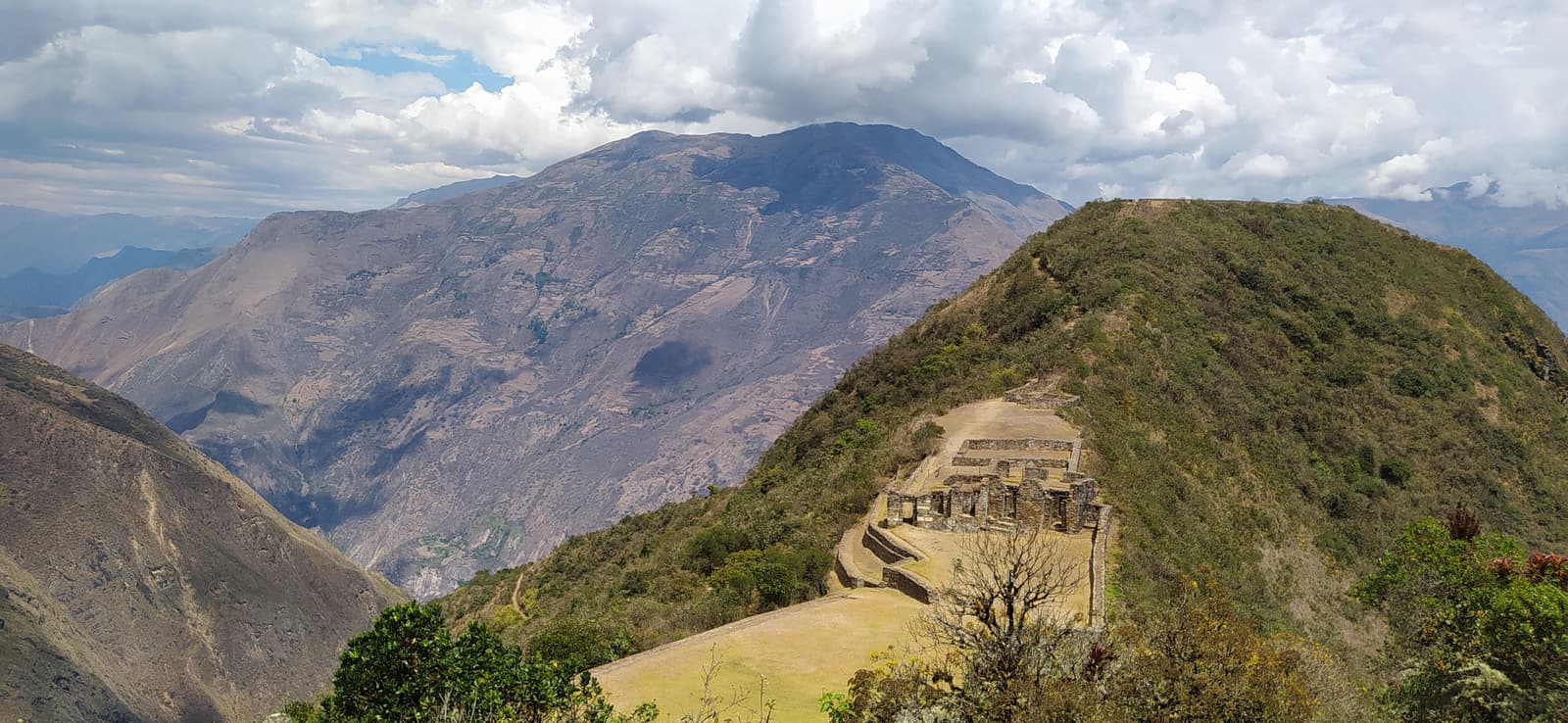
Choquequirao is not one sight but a whole mountainside of them: plazas, fountains, a ceremonial platform and terraces running hundreds of metres down the ridge. Getting there takes you through Cachora, past the carved Sayhuite stone and down into one of the deepest canyons on earth. And almost everyone starts and ends in Cusco, with Machu Picchu and Humantay Lake close by. Each place below has its own guide.
Things to See at Choquequirao & Beyond
Eight places that make the journey to the cradle of gold — from the trailhead to the llama terraces.
Choquequirao archaeological park
 Choquequirao archaeological park
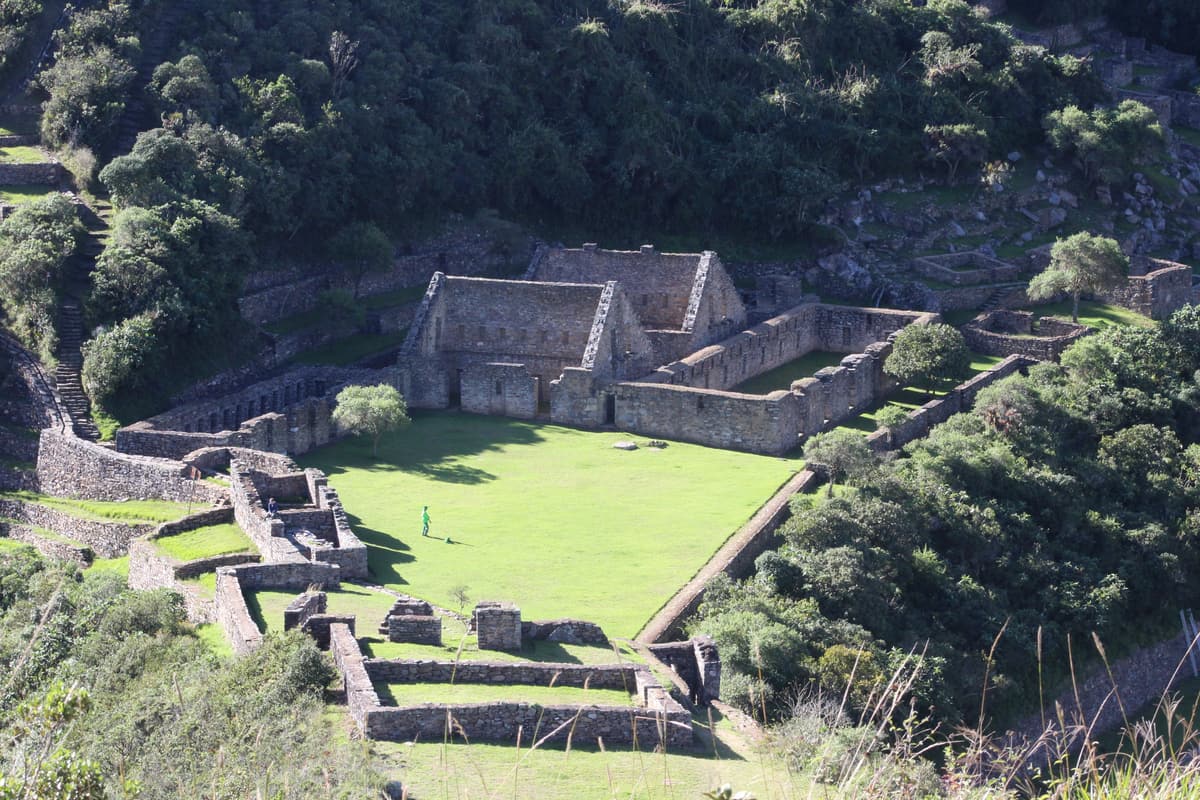
 Choquequirao
The Inca “cradle of gold”
A late-Inca royal estate and ceremonial centre spread along a ridge at about 3,050 m, 1,500 m above the Apurímac river. Plazas, fountains, a flattened ceremonial summit and terraces spilling down the mountain — and only a handful of visitors a day.
 Choquequirao archaeological park
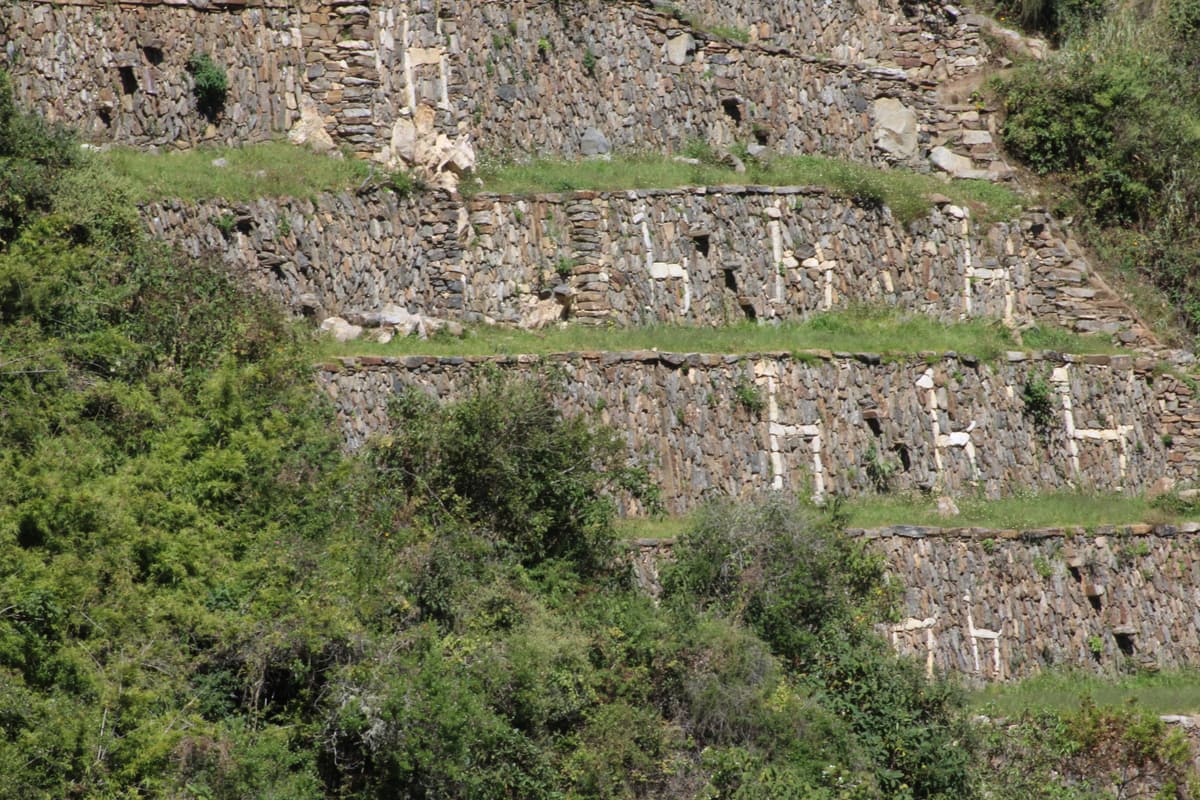
 The Llama Terraces
Inca art in white stone
On Choquequirao’s western flank, a flight of steep terraces is decorated with more than twenty llamas picked out in white stone against the dark walls — a mosaic unique in the Inca world, uncovered in the early 2000s.
The trail & the Apurímac
The trail & the Apurímac Apurímac Canyon
The “great speaker” river
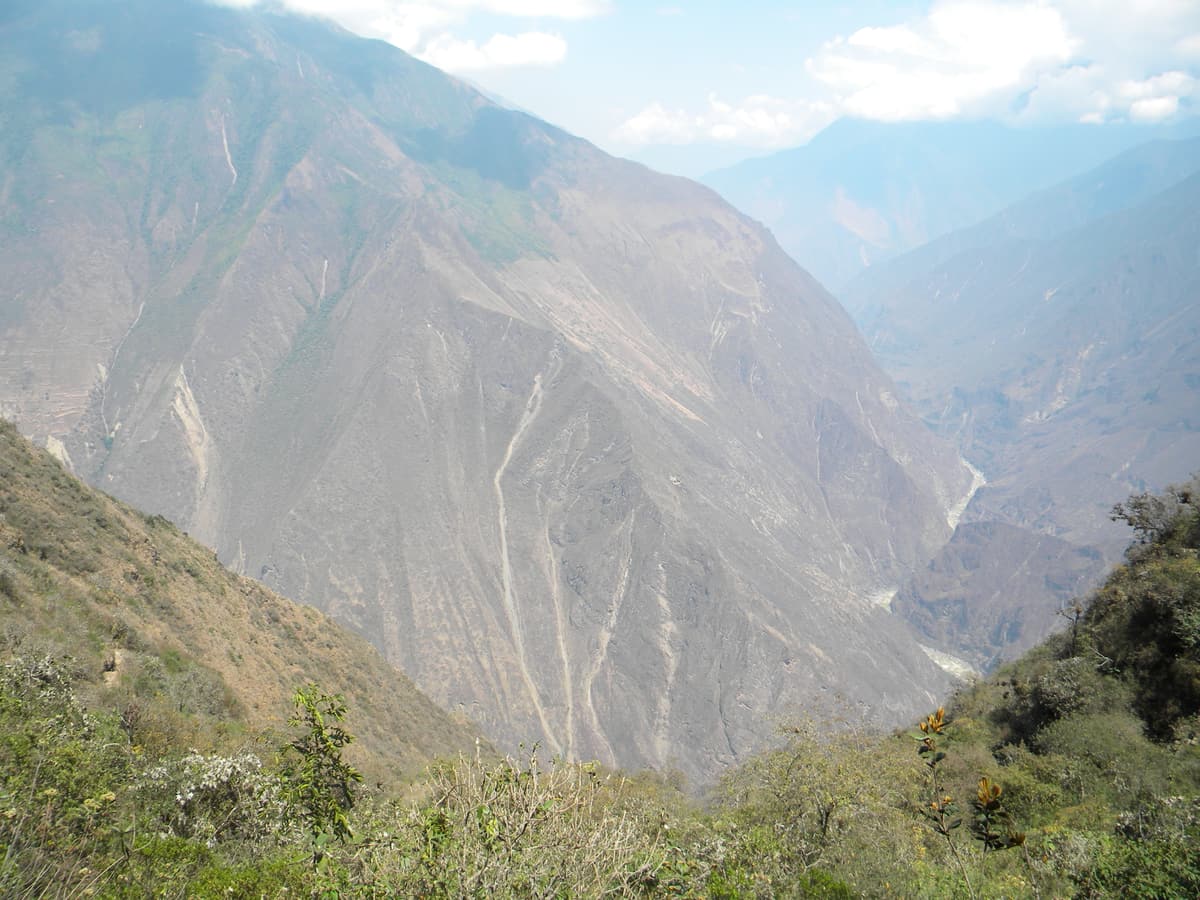
The trek to Choquequirao crosses one of the deepest canyons in the Americas. From the rim at Capuliyoc the trail drops some 1,400 m to the thundering Apurímac at Playa Rosalina, then climbs the far wall to the ruins.
 The trail & the Apurímac
 Cachora & Capuliyoc
The trailhead village
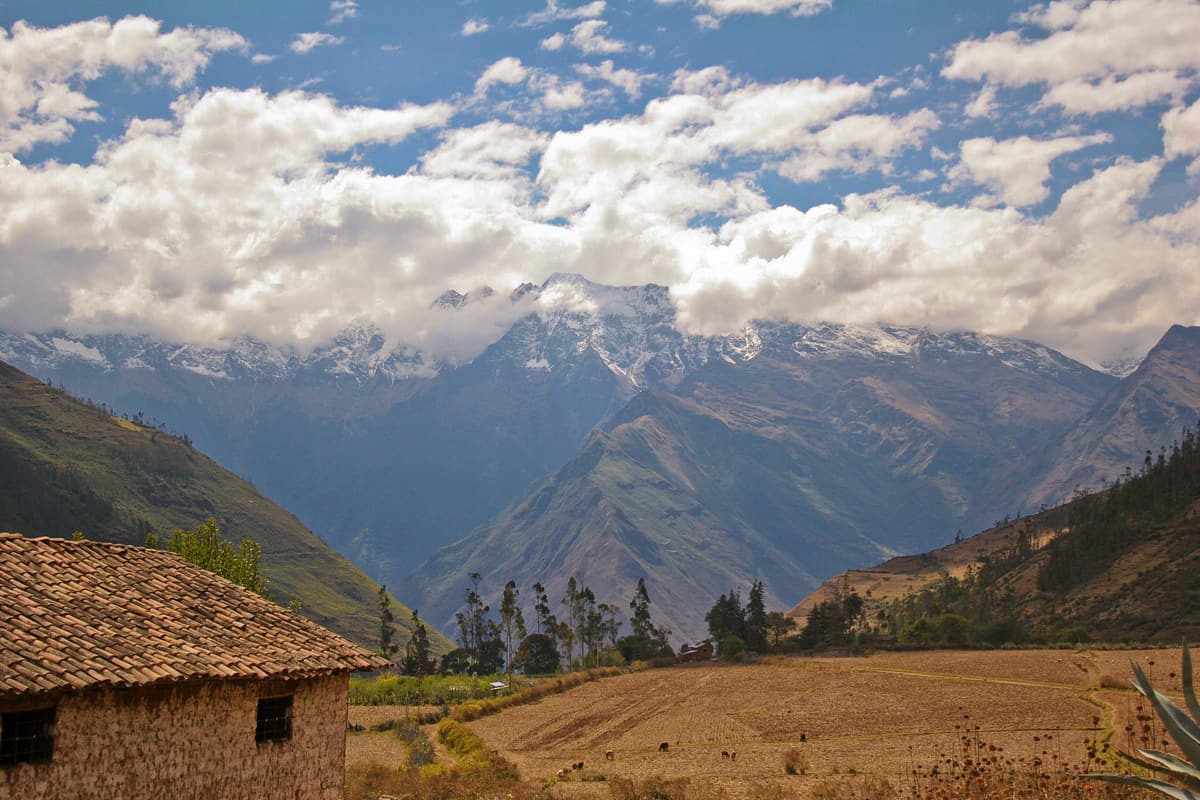
A quiet farming village at about 2,900 m facing the snowy Padreyoc peak, where mules are loaded and arrieros hired. Ten kilometres on, the Capuliyoc viewpoint marks the start of the trail and the first gasp-inducing view into the canyon.
 The trail & the Apurímac
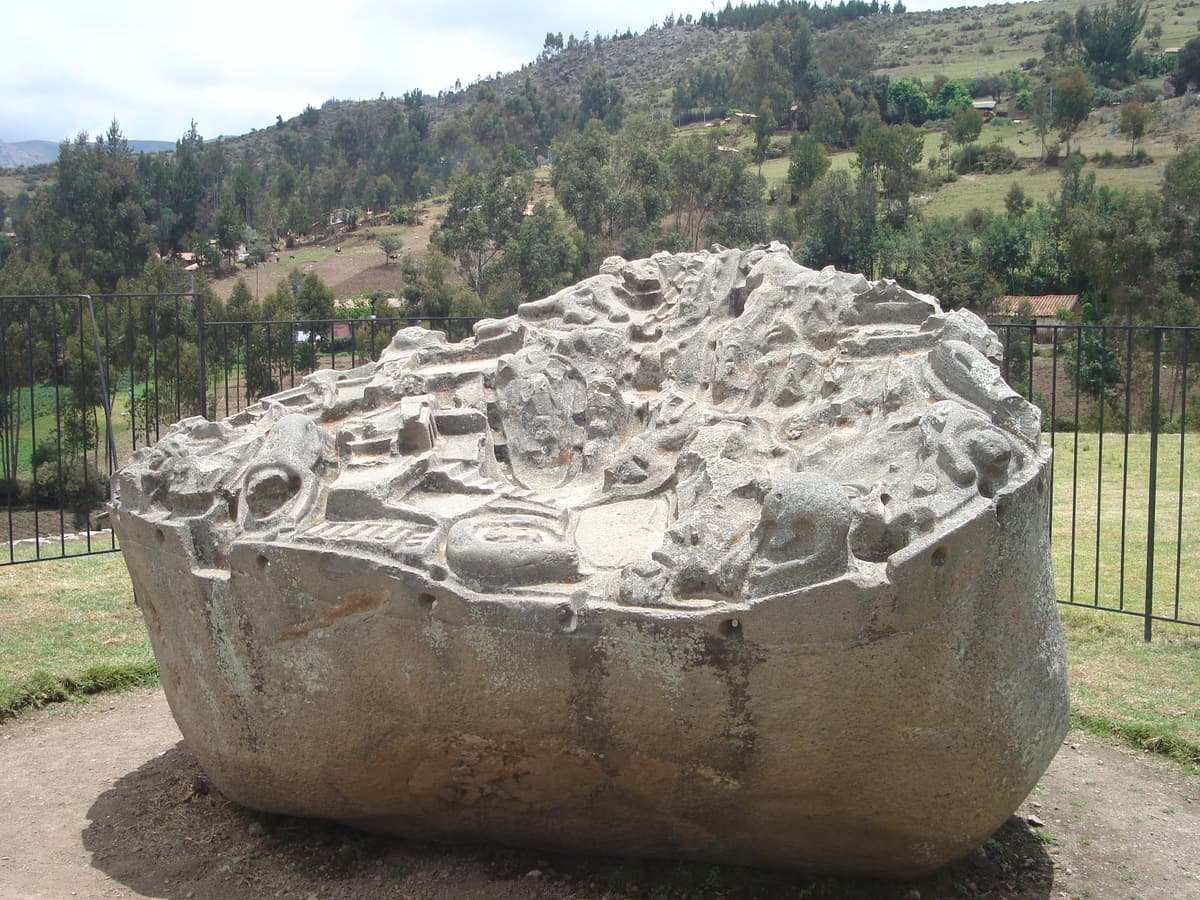
 Sayhuite Stone
A carved Inca landscape
Just off the Cusco–Abancay road near the Cachora turnoff, a great granite boulder is carved with a miniature world of terraces, channels, steps and animals. Probably a shrine to water, it is the perfect stop on the drive to the trailhead.
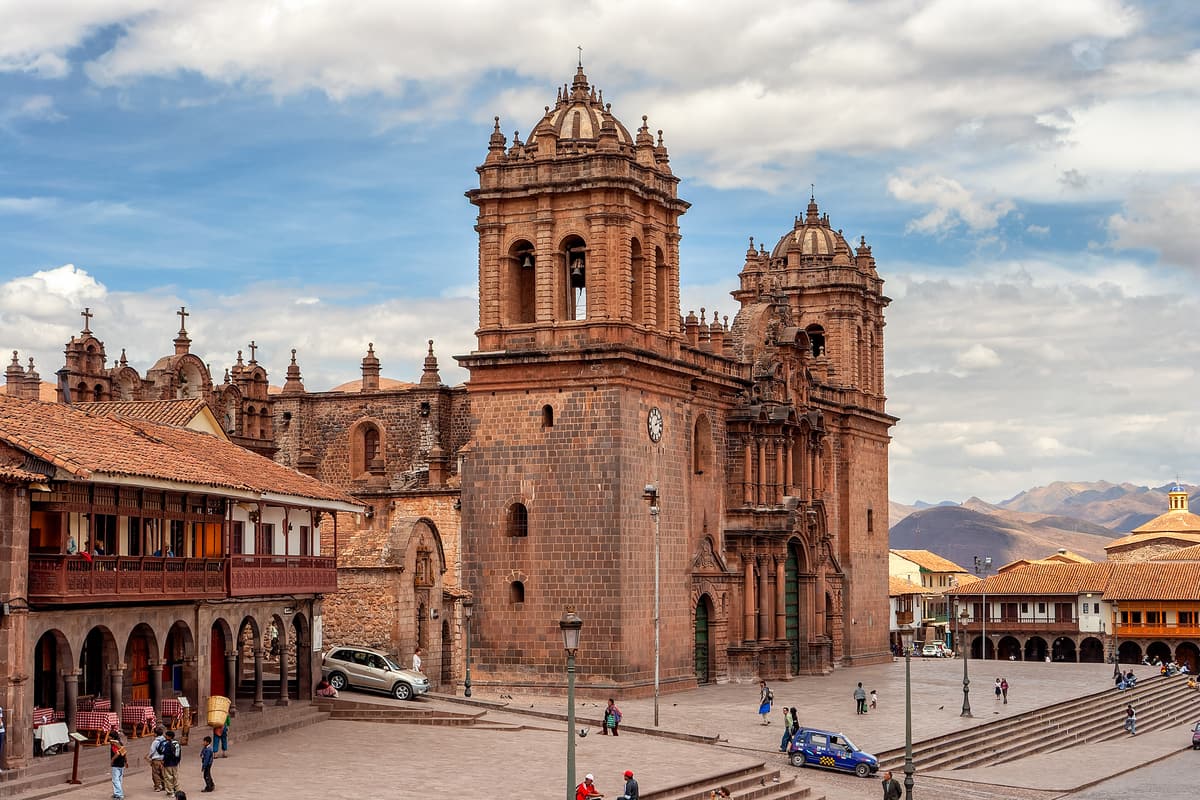
Cusco & beyond
 Cusco & beyond
  Cusco & beyond
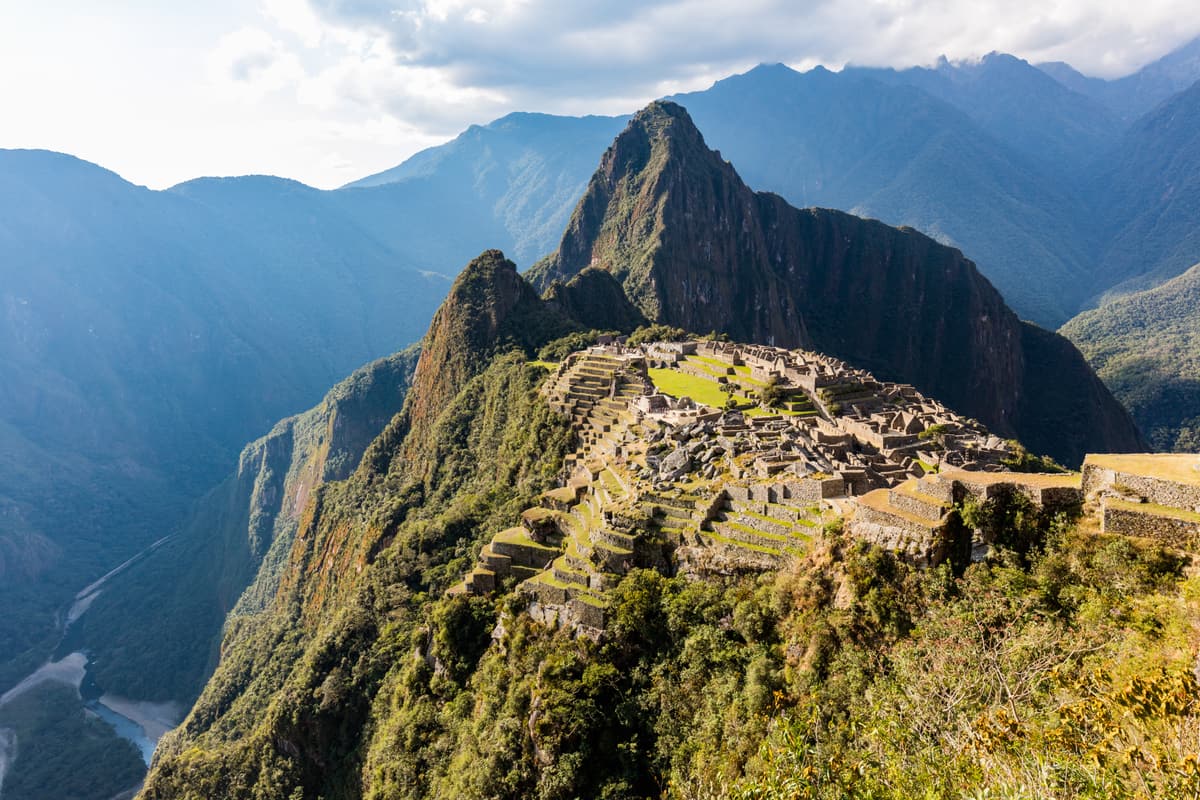
 Machu Picchu
The famous sister
The most celebrated Inca site of all, a train ride from Cusco — or the finale of the 8–9 day trek from Choquequirao. Seeing both lets you compare the polished showpiece with its wild, empty twin.
 Cusco & beyond
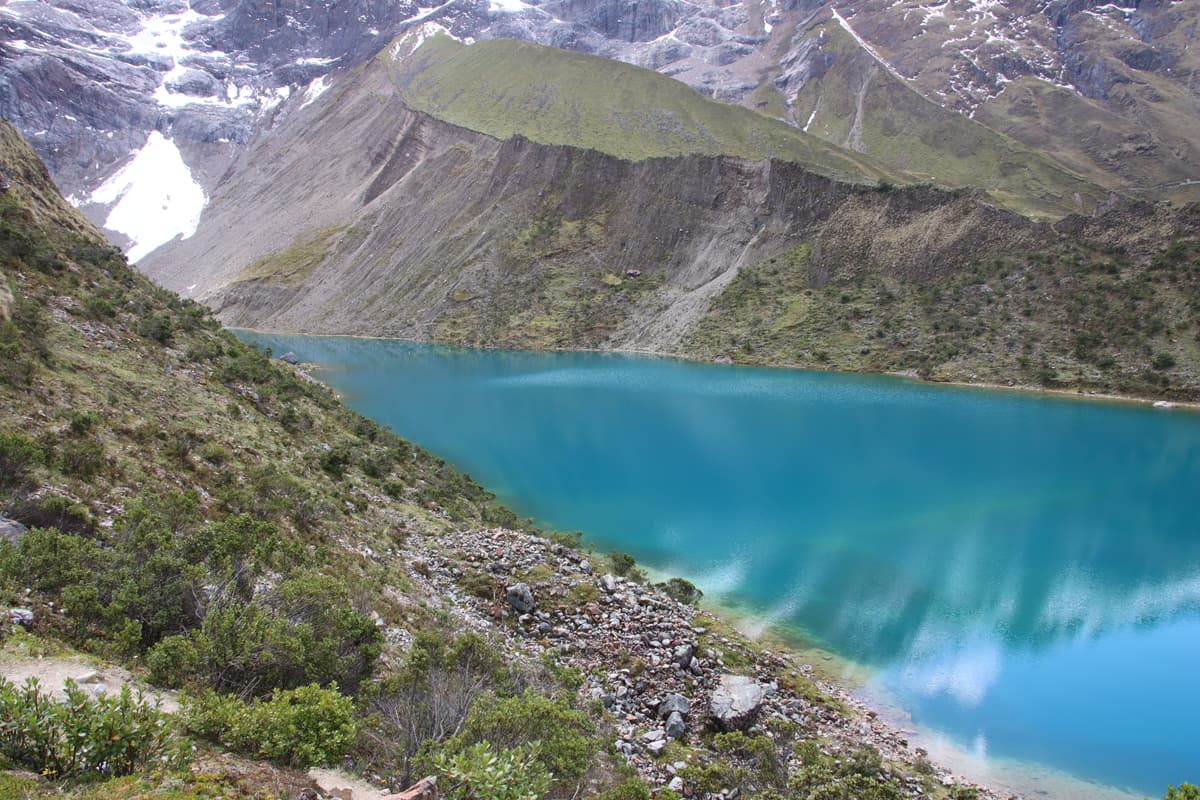
 Humantay Lake
The best acclimatisation hike
A turquoise glacial lake at around 4,200 m under the ice of the Salkantay massif, reached by a steep hour-and-a-half climb from Soraypampa. A perfect day trip from Cusco to test your fitness before the Choquequirao trek.
A sensible eight-day plan: Two days acclimatising in Cusco (add Humantay Lake or the Sacred Valley on day two). Day three, drive to Cachora via the Sayhuite stone and walk down to Chiquisca. Days four to six, climb to Choquequirao, spend a full day at the site and start back. Day seven, climb out to Capuliyoc and drive to Cusco. Day eight, recover — or catch the train to Machu Picchu.
Plan your trek
Walk to the Inca city almost nobody sees
Two days across the Apurímac canyon to an Inca city as grand as Machu Picchu — and almost empty. Compare Choquequirao treks from Cusco and book in a couple of taps.